Taking the Shinkansen to our next destination was becoming second nature. Dragging our luggage around every few days honestly felt like part of the routine. The trains themselves are fantastic—smooth and efficient—but hauling a suitcase nearly my size while navigating through crowds is a whole ordeal in itself, not to mention the weight. And don’t get me started on the importance of reserving seats; we ended up squeezed between two seats with our luggage stuffed in the gap. But hey, it was still the fastest and most affordable way to get around!
off we went once again to the next hustling and bustling city of Nagoya.
Nagoya



Like many other cities in Japan, Nagoya is vast, a seamless blend of modernity and tradition. It’s a major industrial hub, but it also has a rich cultural side with plenty to offer. You’ll find historical landmarks like Nagoya Castle and Atsuta Shrine, and if you’re into cars, the Toyota HQ is right here as well.
We were only in Nagoya for a few days, and we had one main goal in mind—the Studio Ghibli Park. But first things first—our first day was all about getting our bearings and deciding what to do.
Kimonos & Sakura
So this was actually an unexpected part of our plan – we decided to research and seek out a store where we could rent kimonos for the day! Researching late at night and with little preparation we found one store known as Vasara. This chain store offers a great selection of kimono rentals with hair styling and dressing service. Normally you would need an appointment, but either by sheer luck or convenience the staff very kindly allowed us as walk ins and proceeded to explain the next steps.
We started by choosing from a variety of colors, patterns, and styles. There were also options to add accessories or extra details to our kimonos.
After selecting our kimonos, we put them aside and went for a hair styling session (which was an extra). Since I prefer my hair up, I went with a braided bun style. I don’t think the stylist anticipated quite so much hair, but she did an incredible job. The hair styling took around 40-60 minutes (I think), and after a lot of bobby pins, we were finally ready to head to the dressing room.
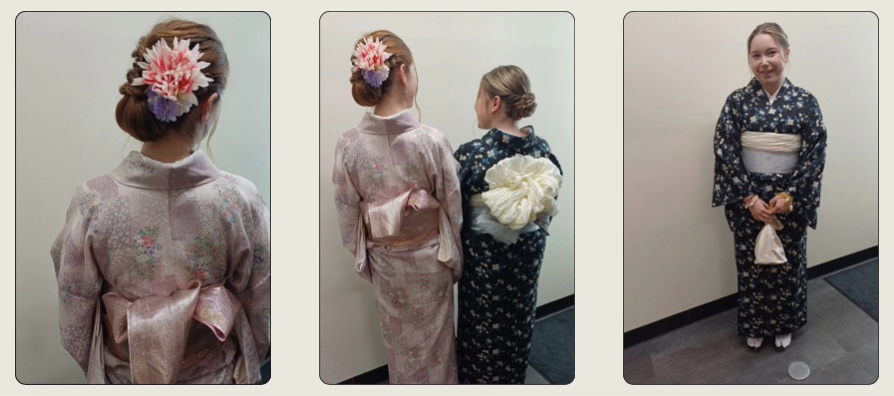
What I didn’t expect was just how long the kimono was or how many layers you wear!
- Hadajuban – Worn directly on the skin.
- Nagajuban – A slip-like garment worn over the hadajuban.
- Kimono – The outermost garment.
- Koshihimo – Used to secure the kimono in place.
- Datejime – Optional, used to further secure the kimono.
- Obi – The wide belt tied around the waist.
- Obiage – A decorative cloth over the obi.
- Obi-jime – A cord used to secure the obiage and keep the obi in place.
- Haneri – Worn over the collar of the nagajuban.
- Obi knot (Musubi) – The final knot at the back of the obi.
Whether we had every layer and garment, I honestly couldn’t tell you (it was 9 months ago), but I know for sure we couldn’t have done it without the employees help. I wouldn’t even know where to start! –
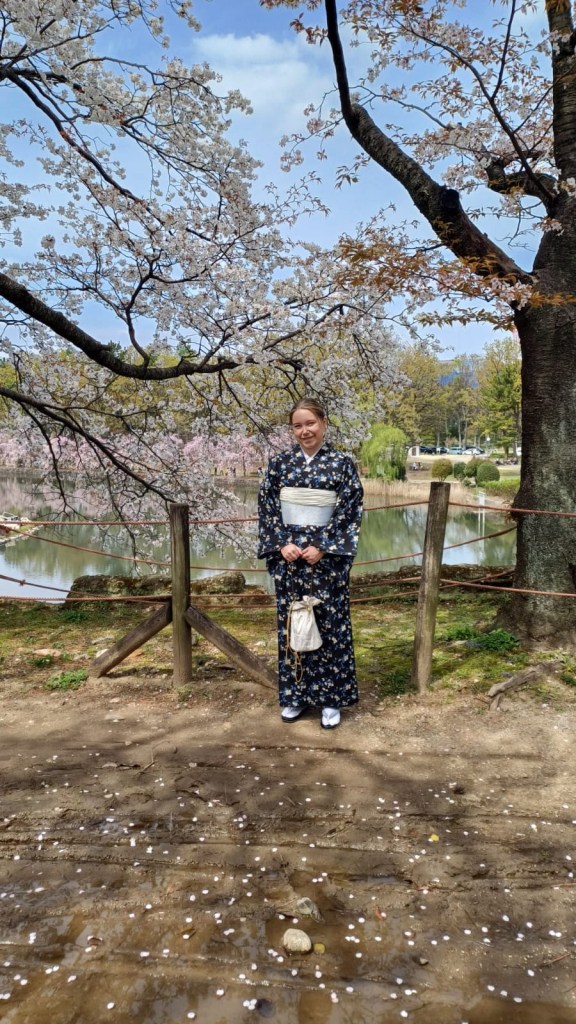
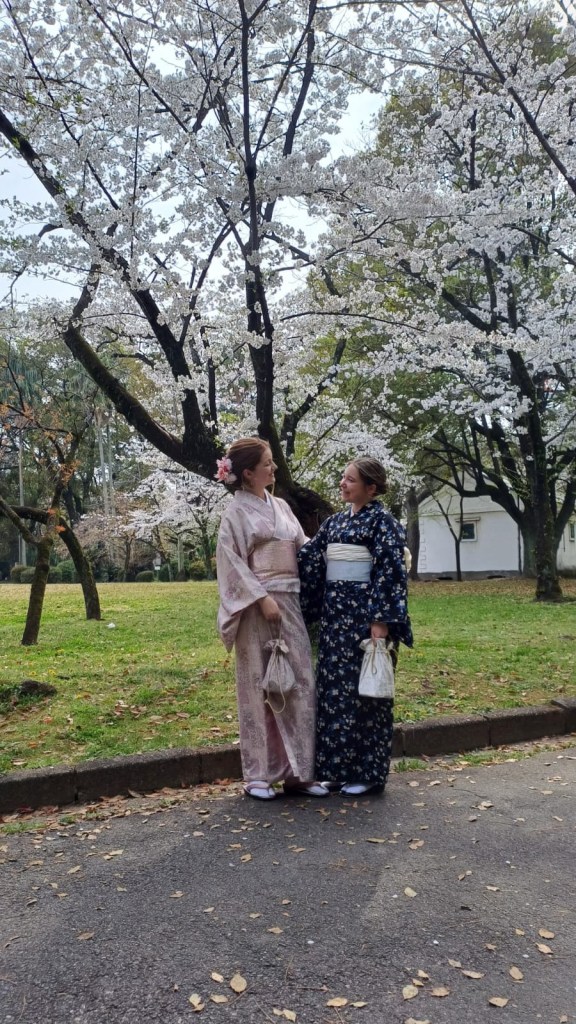
At first my friend was hesitant to proceed with this activity for fear of sticking out.But with an open mind and trying not to care about peoples opinions, we went through with it an got all dolled up and headed off into the city trying not to slip in our Getas. Kimonos are absolutely beautiful and we felt it, but they are not practical by any means. The ability to walk is virtually impossible, with slippery shoes and restricted movement, you may find yourself starving since you don’t want to eat for fear of spilling anything in it and of course… you can’t go to the loo!
Netherless, we made it work and tried not to eat or drink anything whilst we felt like princesses in the city of Nagoya.
Nagoya castle
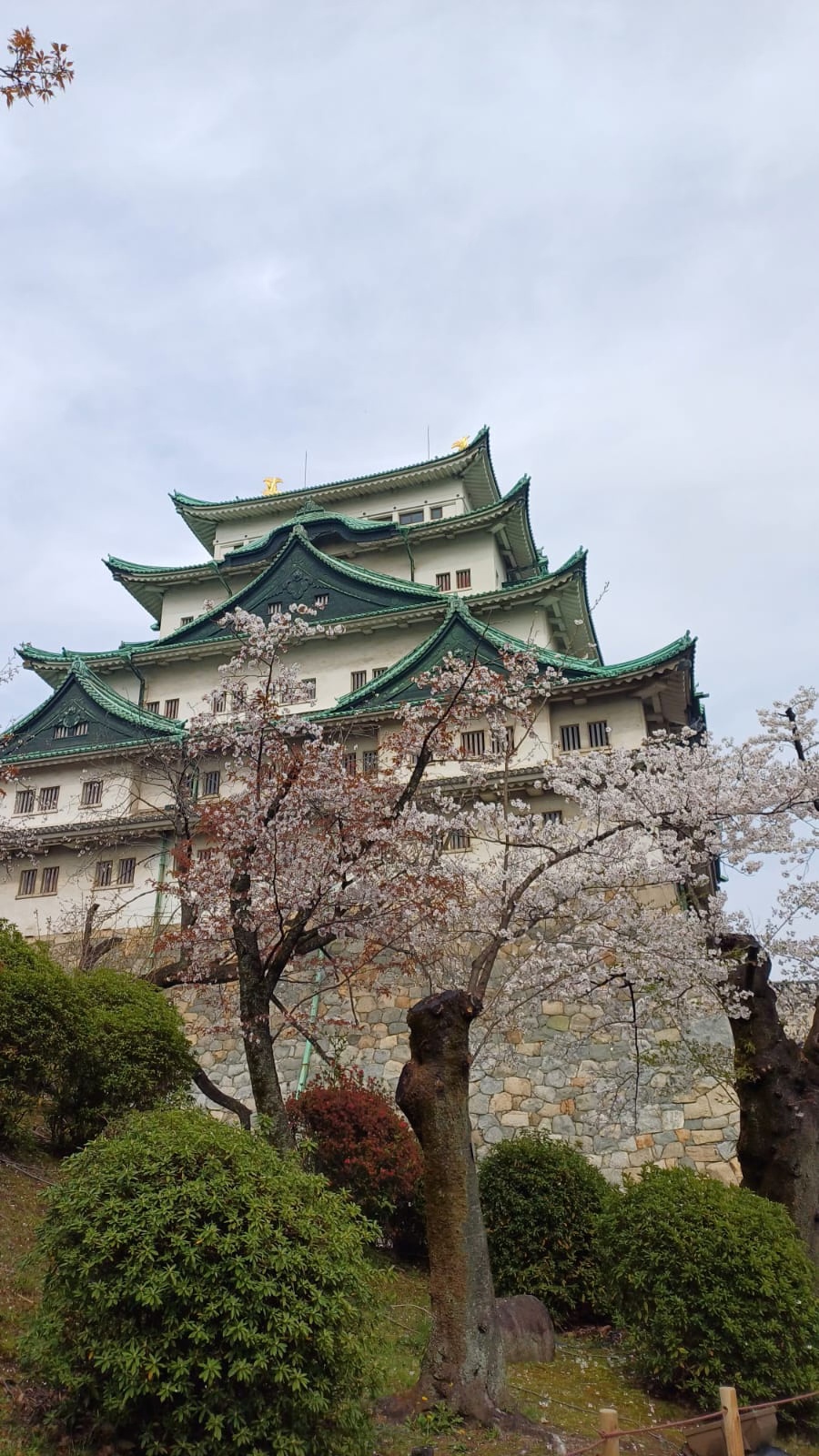
We kicked off our itinerary by heading to Nagoya Castle, where it was packed and pretty warm.
Originally constructed between 1610 and 1619, the castle served as a power base during the Edo period. It was a political and military stronghold. Sadly, the castle was destroyed in World War II, but it was rebuilt in the 1950s. The main keep is a five-story structure, topped with a golden shachihoko—a mythical creature with the head of a tiger and the body of a carp, believed to be a symbol of protection.
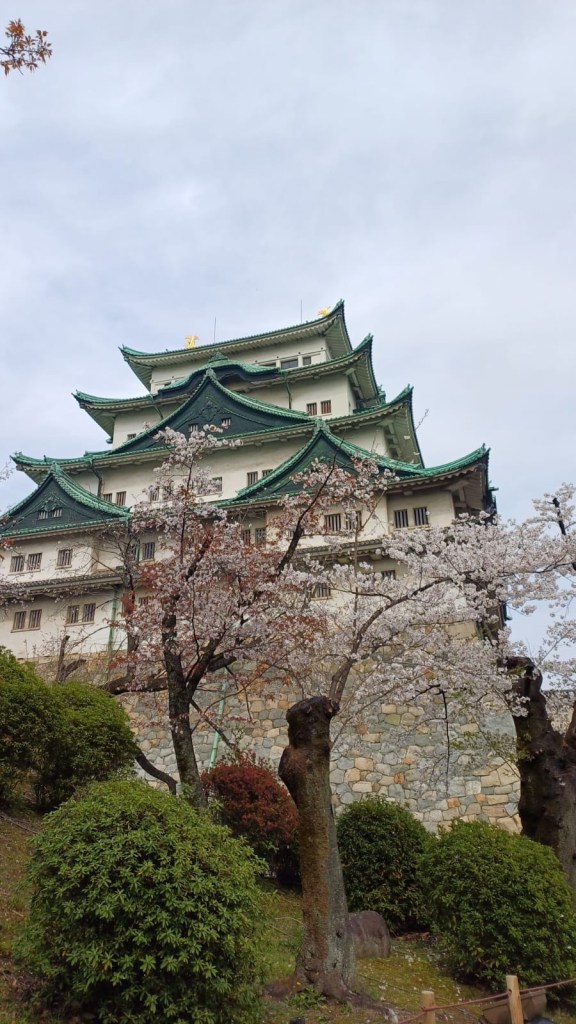
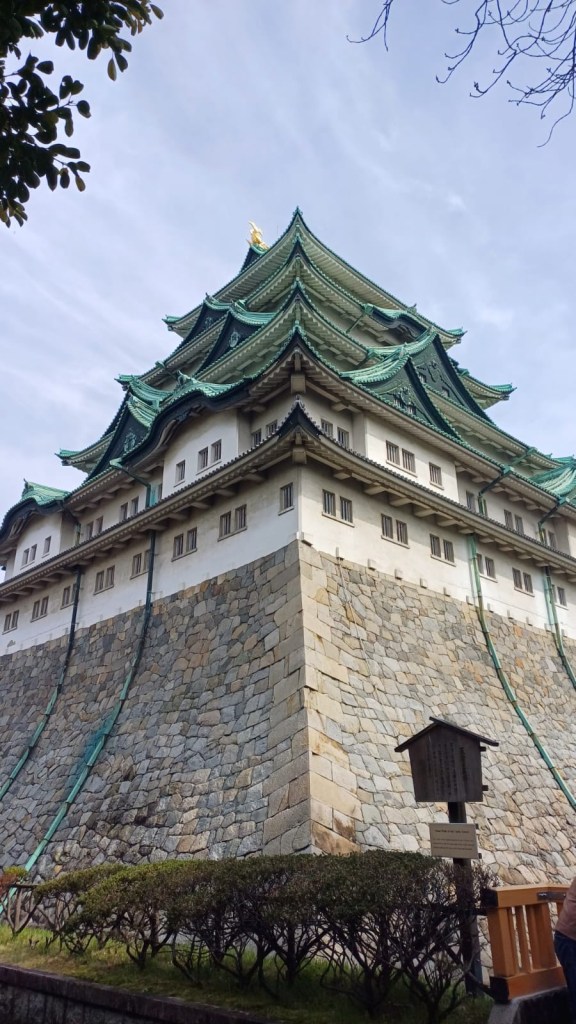
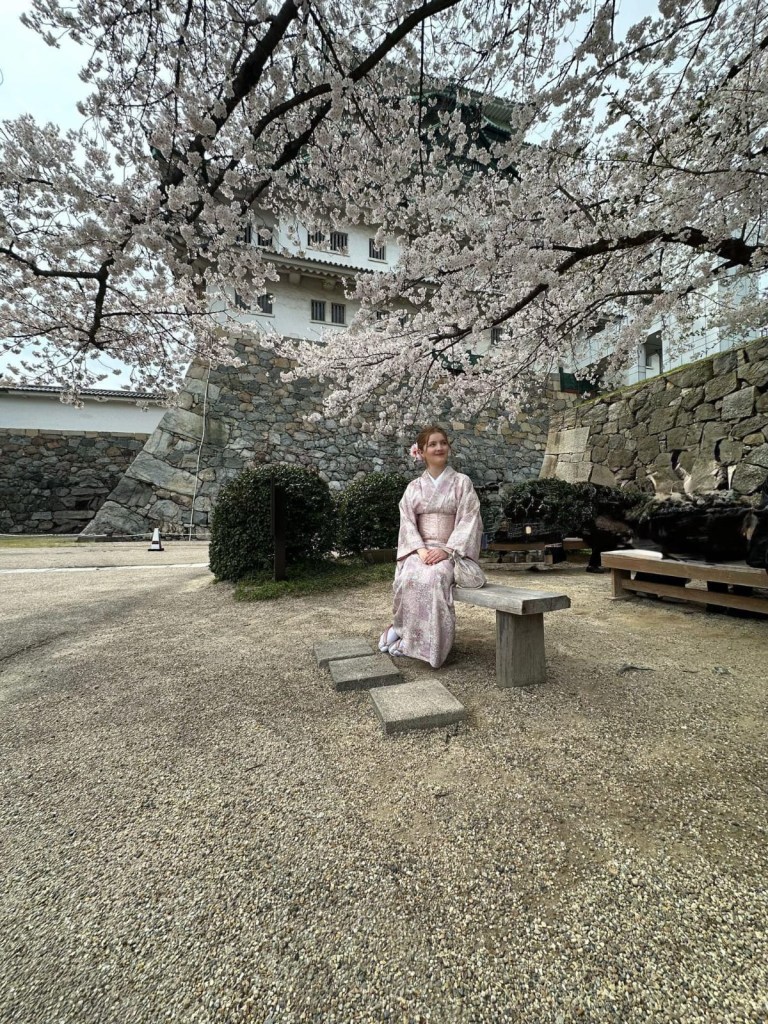
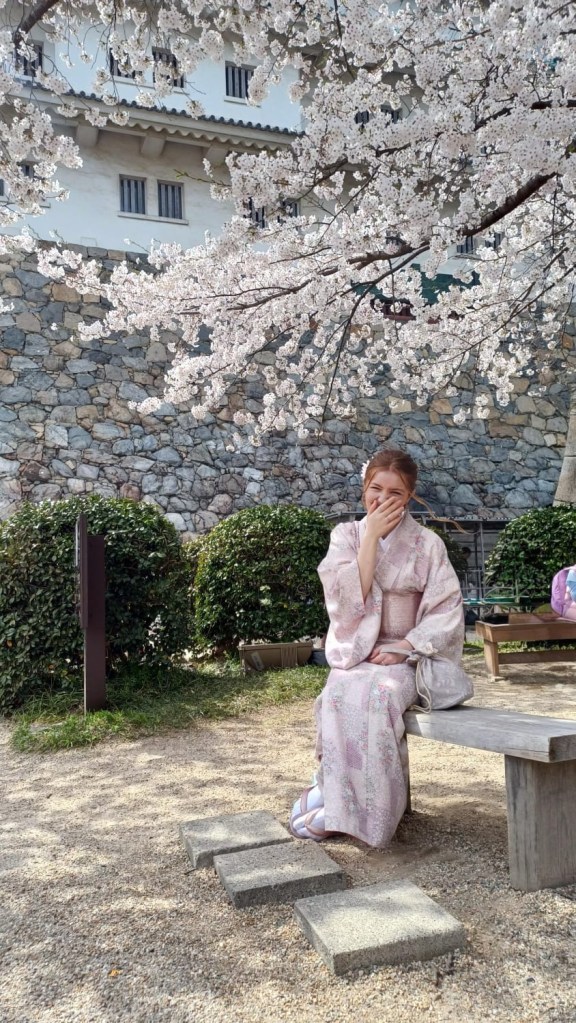
There are several buildings around the castle, including gates, moats, and the Ninomaru Palace, which once housed the Tokugawa family. Surrounding the site are beautiful gardens, ponds, and pathways to explore. As you can probably tell, many castles in Japan share a similar architectural style, but what made this day special was how different it felt—despite the crowds—especially with the added charm of wearing kimonos. Let’s just say, the pictures definitely turned out well!
We fully embraced the scenery, the pleasant weather, and our kimonos. As we entered the castle grounds, we were greeted by a stunning sakura tree in full bloom. It was the perfect representation of Japan in spring—slightly cloudy with no rain in sight. There are so many beautiful spots to explore at the castle, so if you find yourself in Nagoya, it’s definitely worth a visit. While we took a break to rest our feet on a bench, we noticed a few people taking pictures of us in our kimonos. Whether it was the kimonos, the cherry blossom tree, or both, we couldn’t tell, but we didn’t mind—it felt harmless. I suppose some people might feel uncomfortable with others taking photos, but we actually felt flattered. I guess a kimono has that effect!
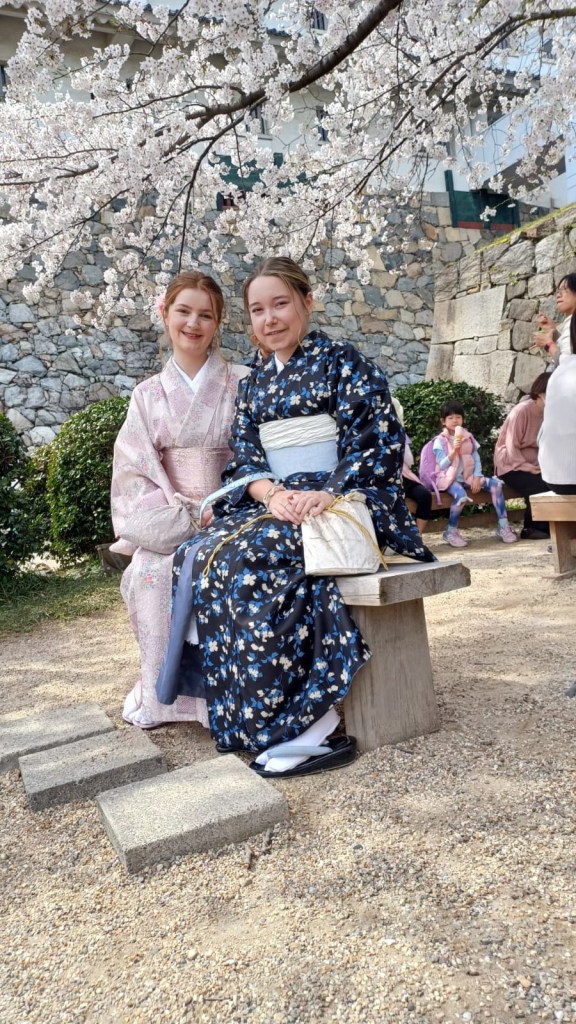
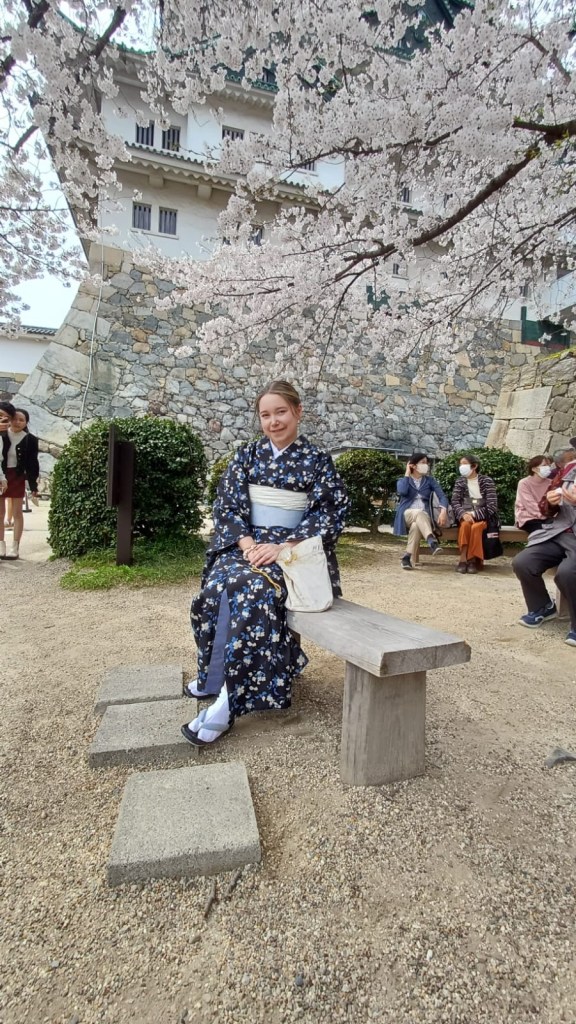
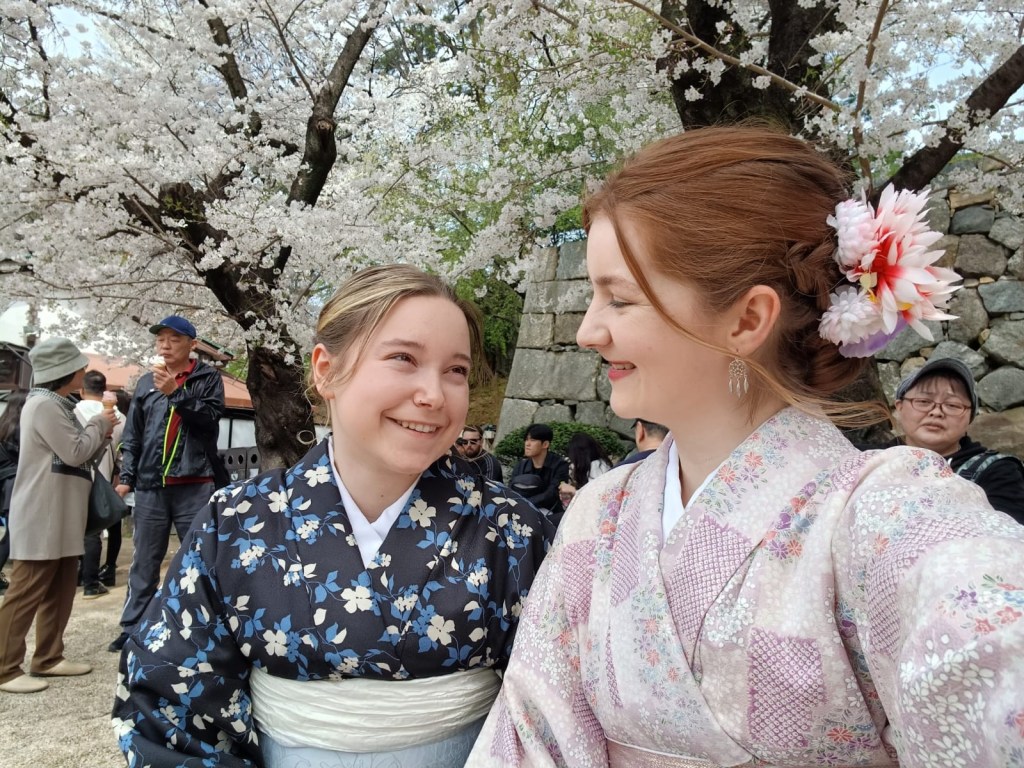
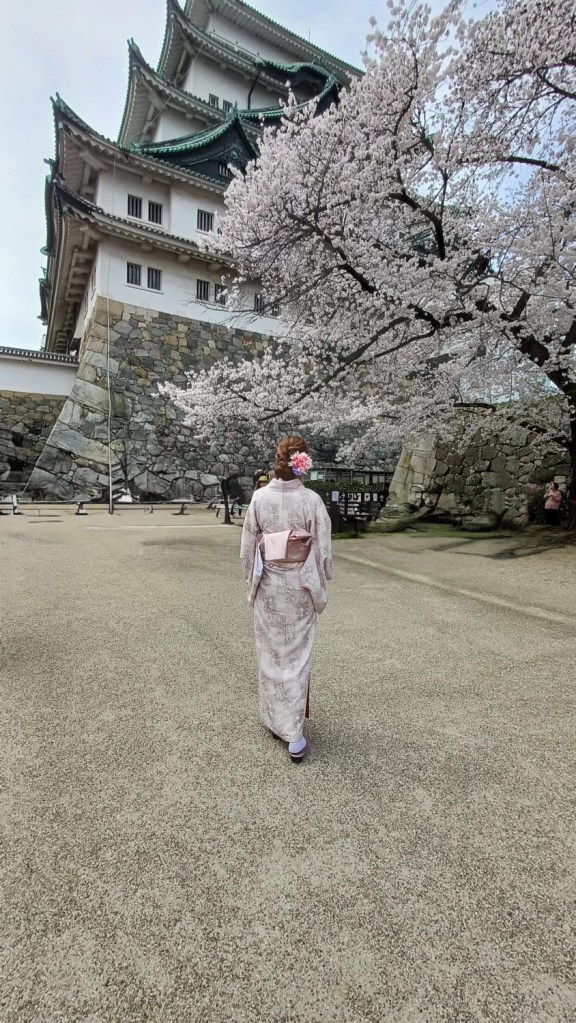
Realising the time and how starving we were, we made our way back to the store to return the kimonos and change back into our normal clothes. It was such a wonderful day, leaving us with great memories and even better photos!
Arcades and shopping

The end of the day saw us window shopping a bit more and trying one of Japan’s famous arcade games. Of course, we had to try the classic claw machine. Knowing full well we were likely to lose, we each gave it a go, and, to our overly dramatic dismay, didn’t win anything… but hey, it’s all part of the experience, right?
Realising we had a busy day ahead, we headed back to our hotel to rest for our next big adventure.
Studio Ghibli
If you know anything about Japan, you’re likely familiar with the iconic Studio Ghibli and its legendary films. For anyone who’s been living under a rock, Ghibli movies are beautifully crafted animations with a brilliant blend of fantasy and emotional storytelling. They often portray grounded, complex narratives that are both offer realism and emotion. If you haven’t already, I highly recommend watching some, especially classics like My Neighbour Totoro and Spirited Away. It was something my friend and I grew to love during the 2020 pandemic. Since we were at uni, there wasn’t much to do outside of studying and coursework, so we scoured mindlessly through Netflix and came across the Ghibli movies. Next thing we knew, we were hooked!
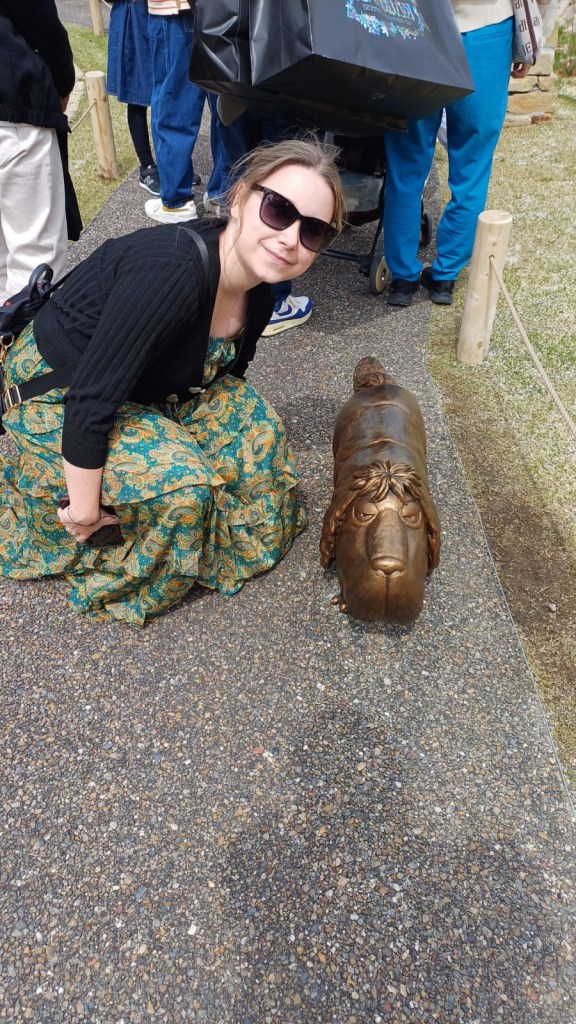
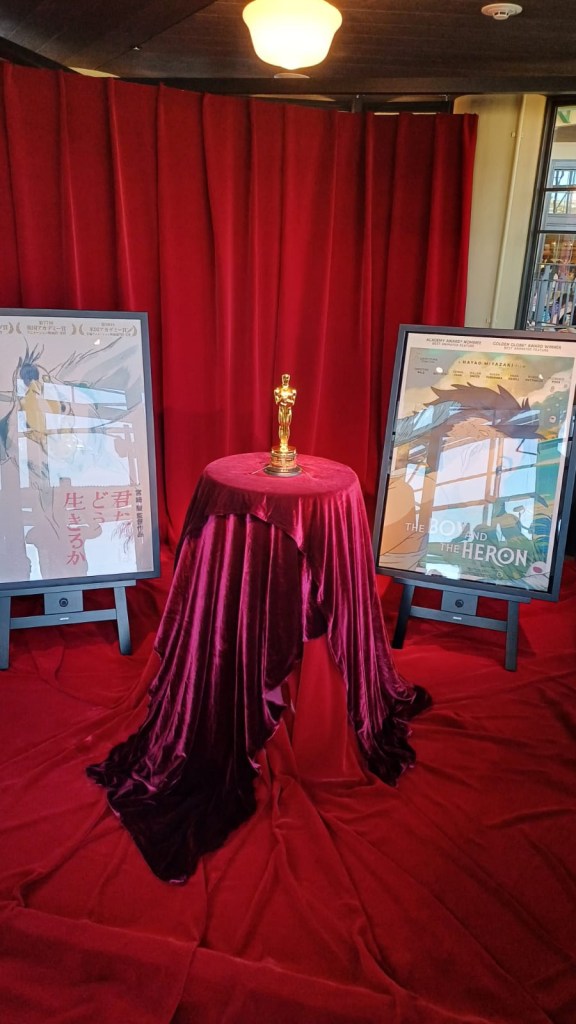
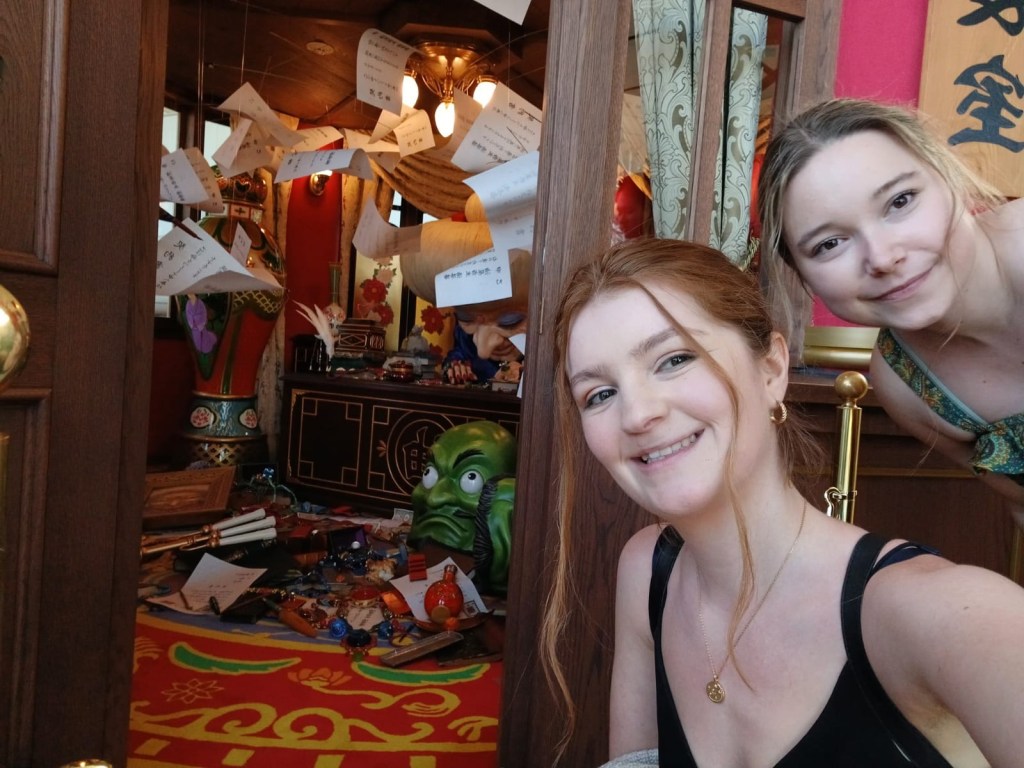
One of the main highlights of our trip was visiting Studio Ghibli Park. However, getting tickets for the park was no walk in the park—similar to the nightmare of securing tickets for Universal Studios. Thanks to my friend, who managed to secure tickets at 5 a.m. on a cold winter morning in the UK while I was fast asleep, we were able to go. So, if you plan to visit, be prepared to wake up at ungodly hours to get your tickets (that is, if you don’t live near Japan and your time zone is 9 hours behind). For the premium ticket price of £40, we eagerly counted down the days to one of the most anticipated stops on our bucket list.
The park itself is easy to get to—just a few more train rides—and it’s located in a large memorial park. The park is divided into several sections, with the Grand Warehouse being the main area. This section houses a variety of exhibits, including life-sized statues, recreated settings from different films, movie concept art, and short films. This is one of the area where you need to buy tickets and queue.
As we queued for various attractions and photo ops, our expectations were sky-high, excited to explore more of the park. The Grand Warehouse is impressive, offering many props and settings to explore. But I have to admit, we were a bit let down. We waited in long lines for what felt like forever just to take basic photos with props from our favourite films. But we weren’t about to let that ruin our mood—there was still an entire park to explore!

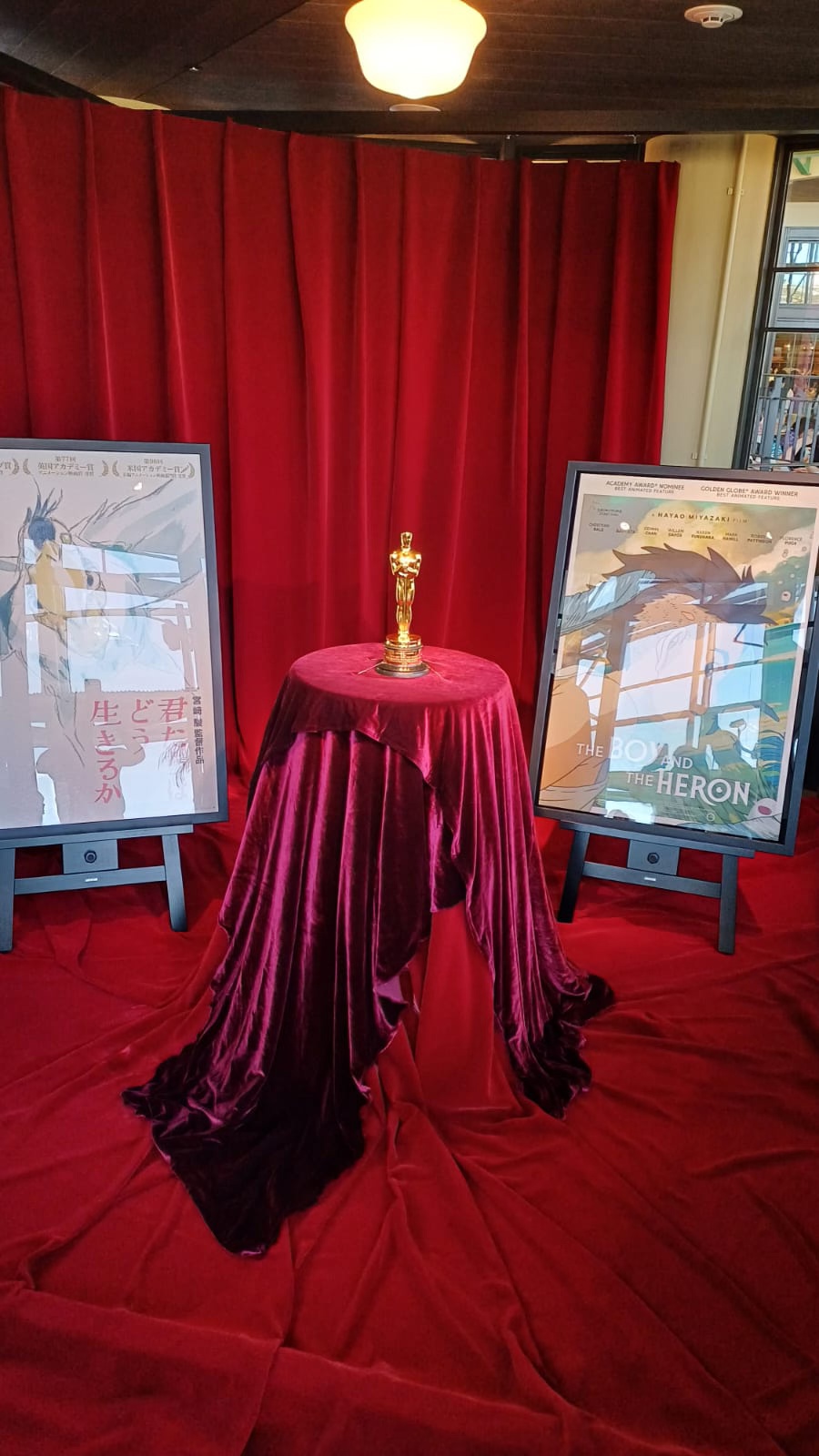
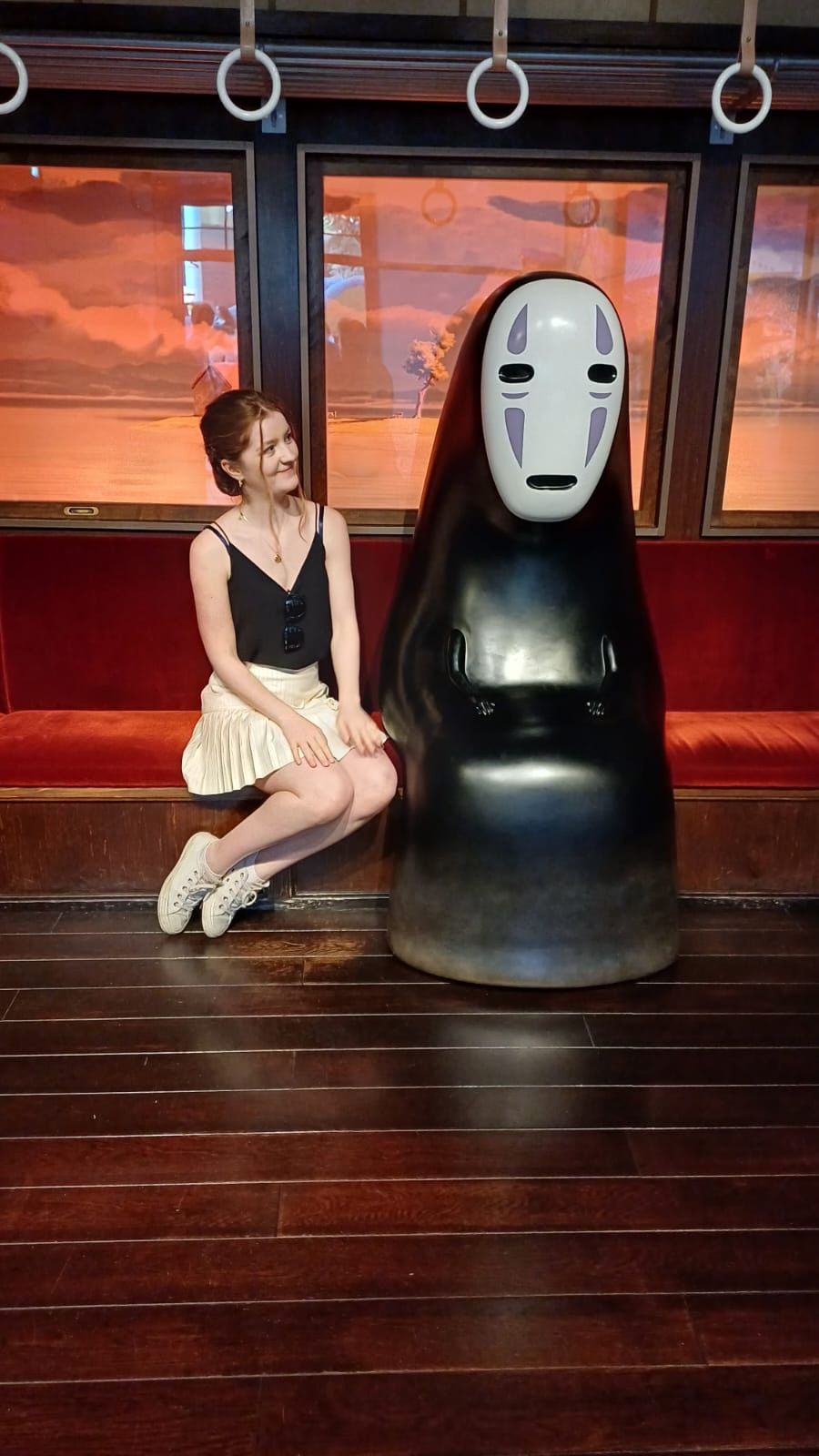
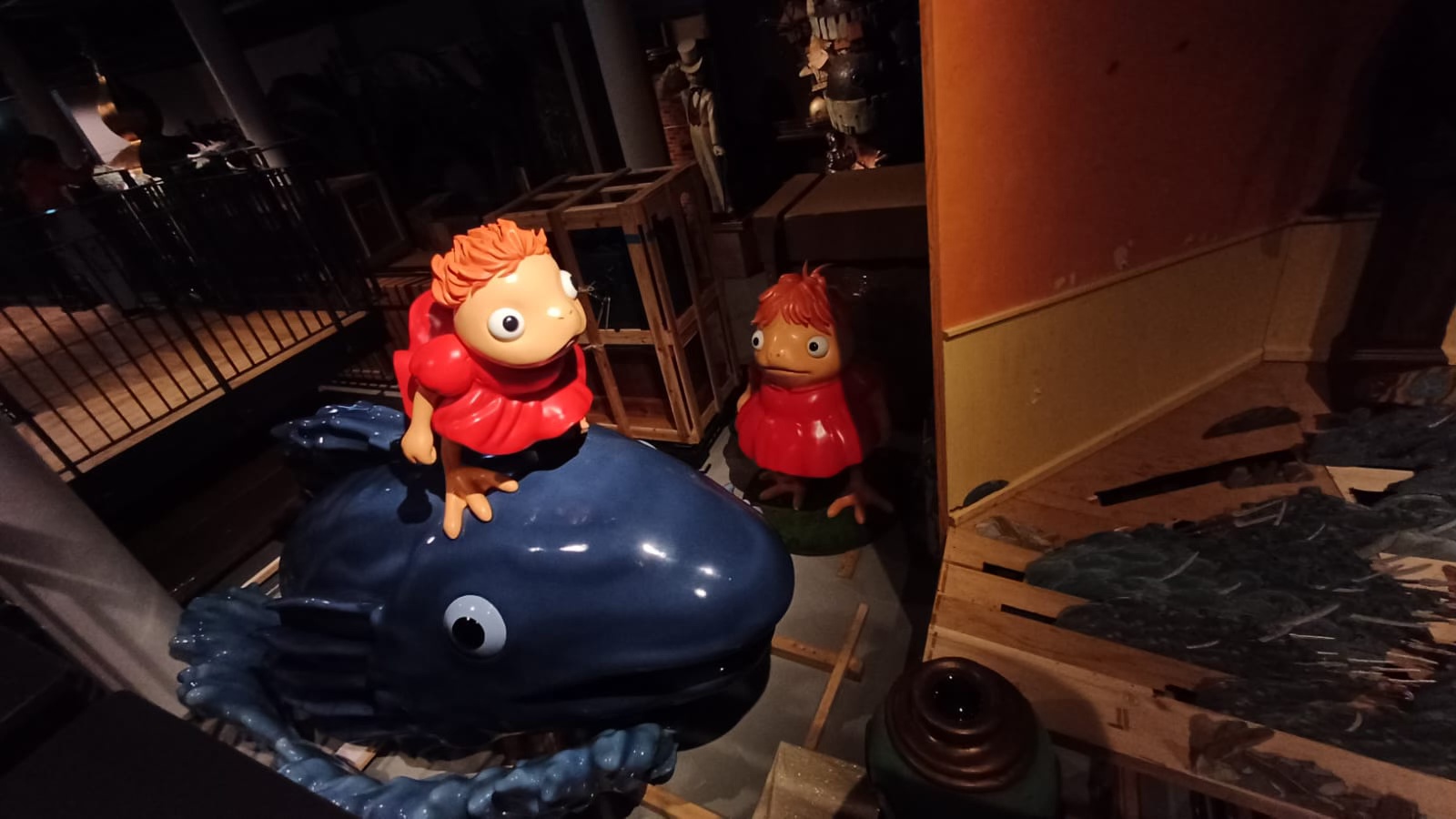
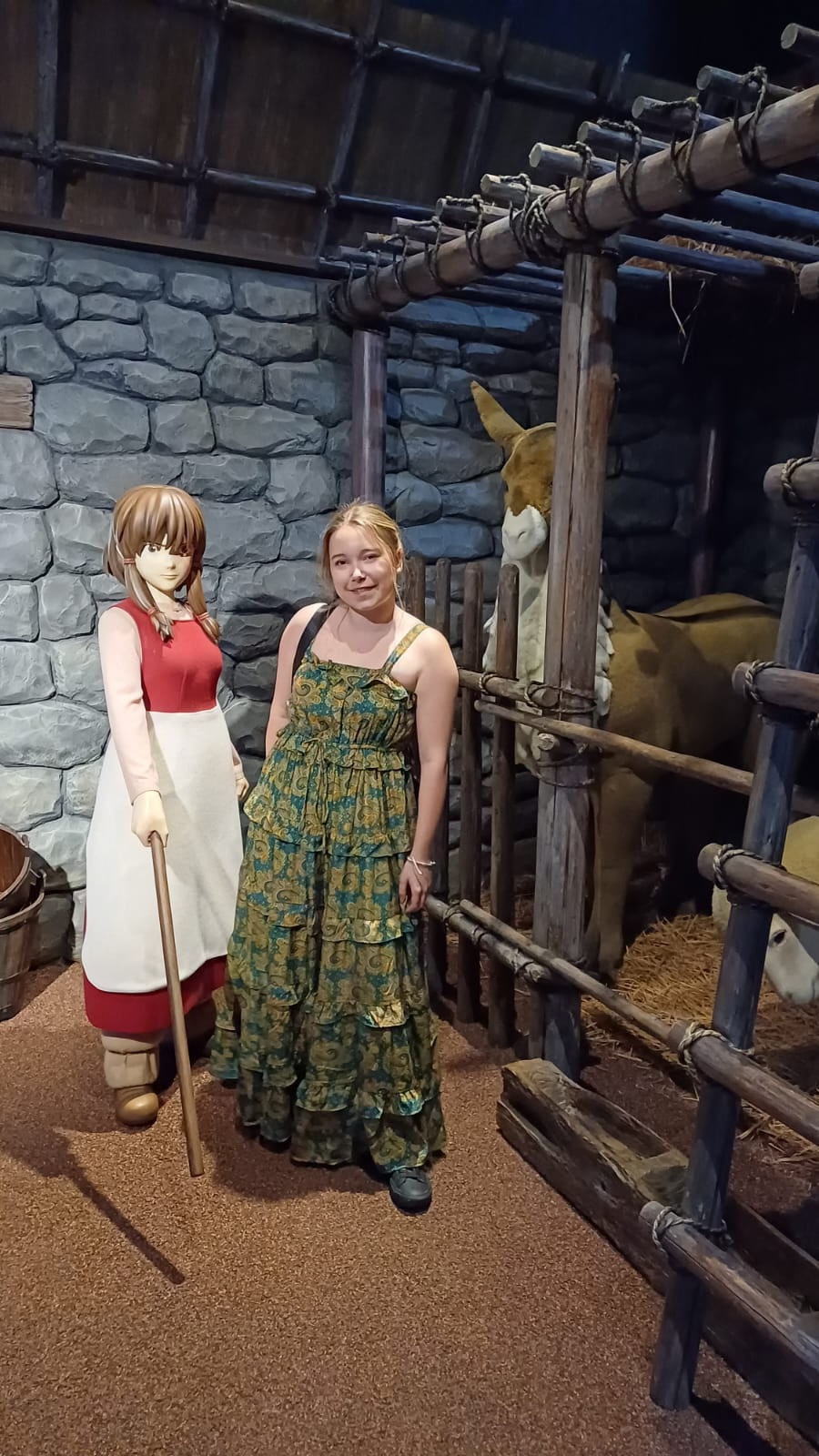
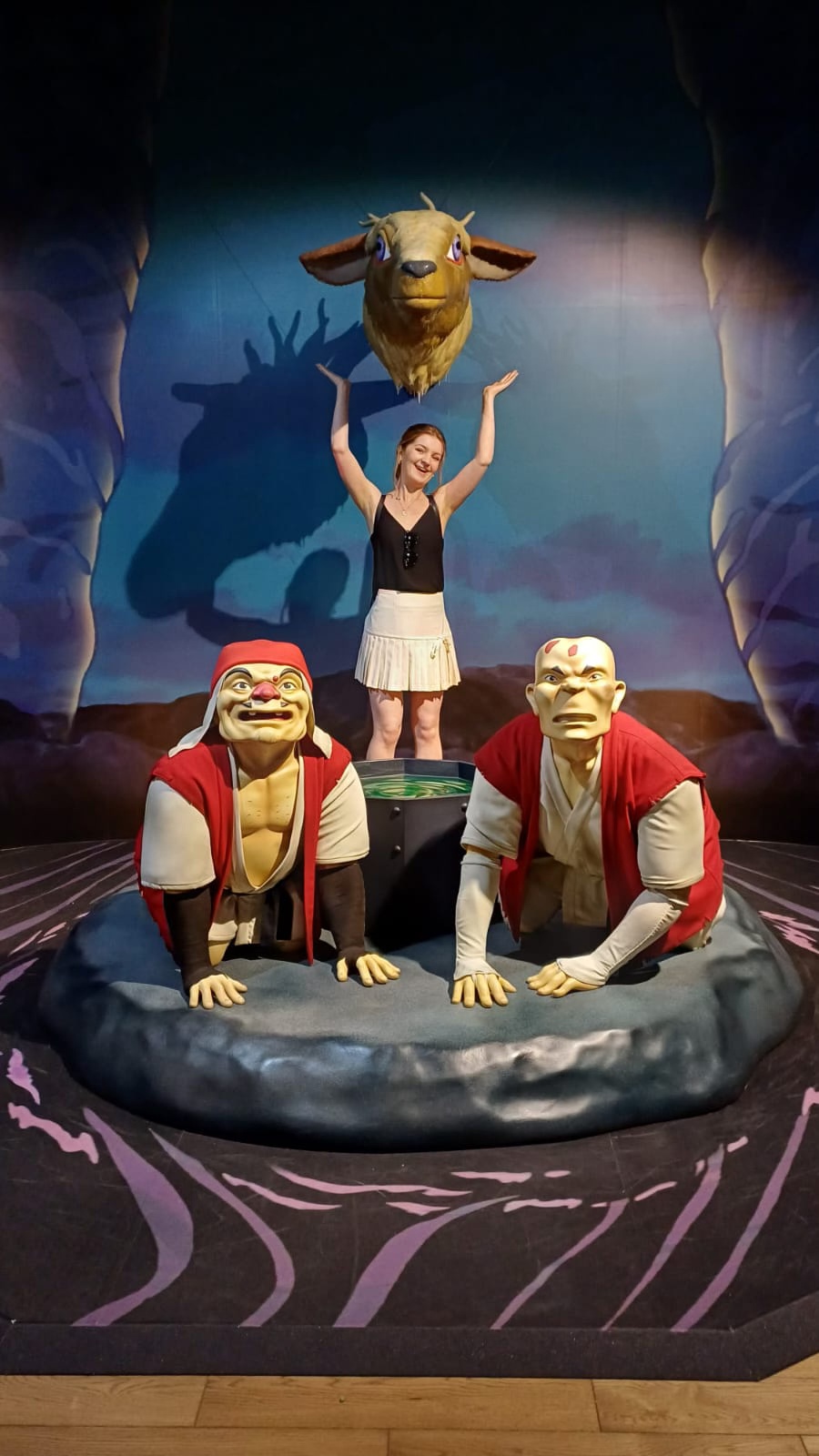
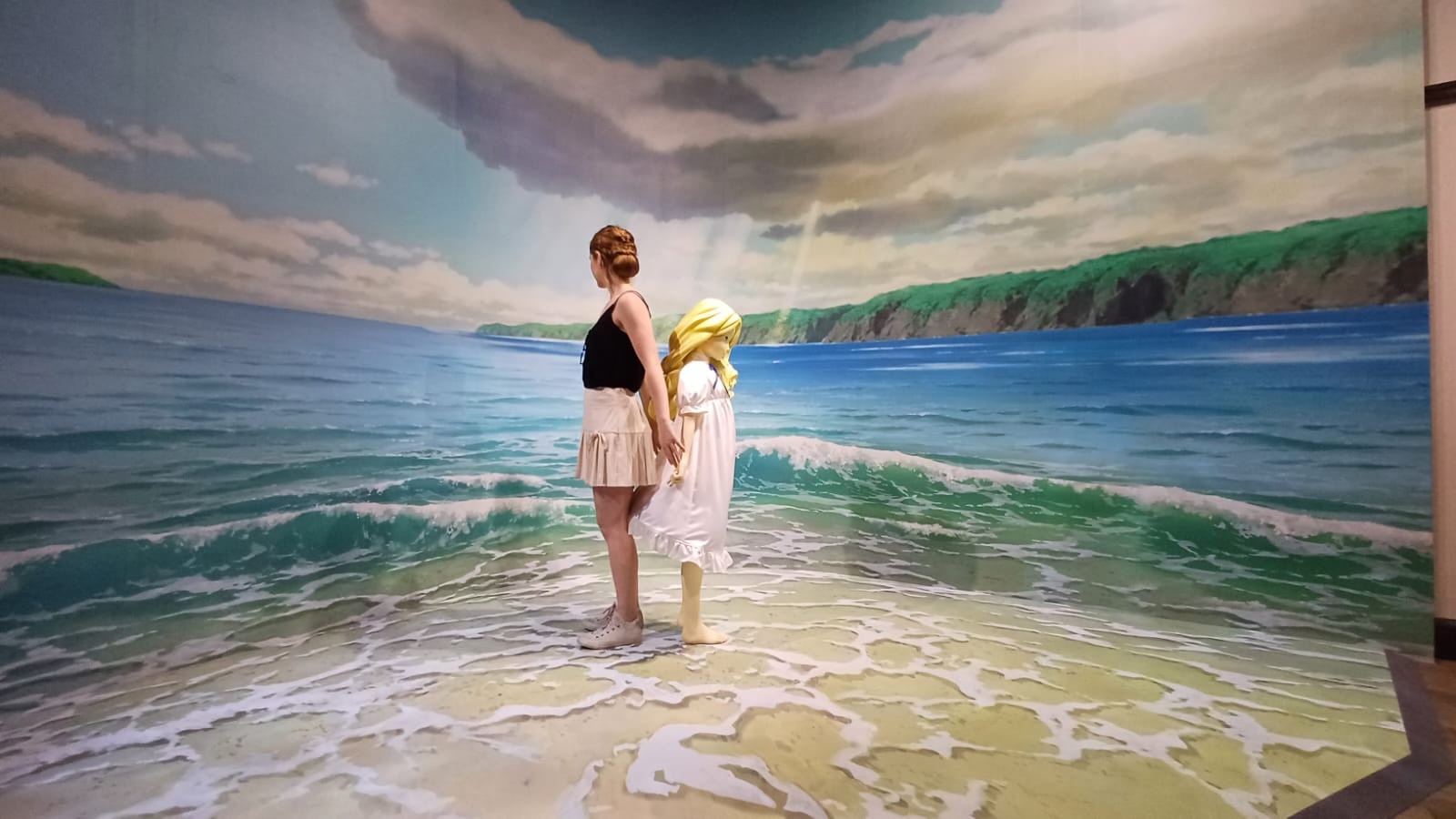
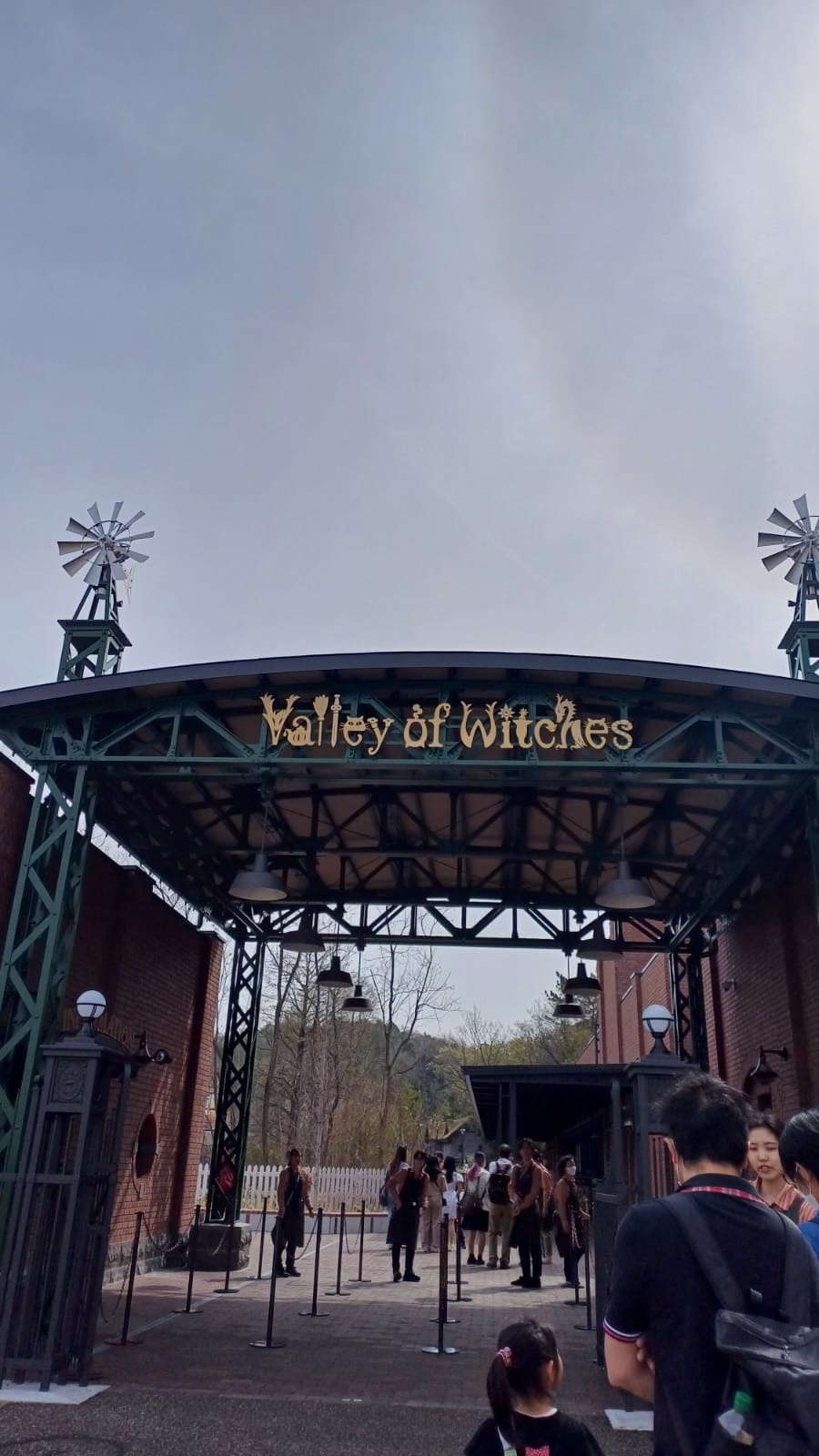
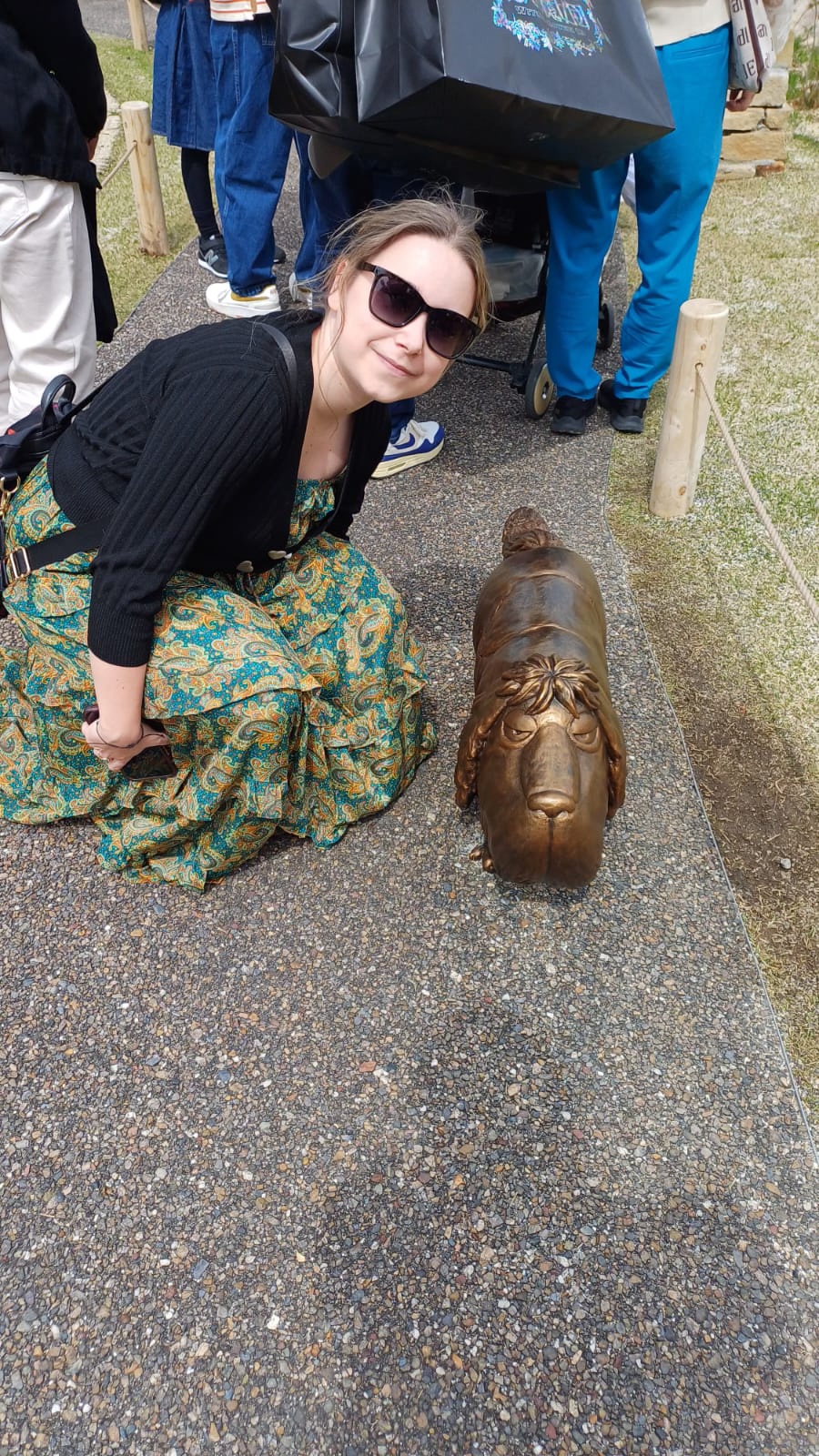
Other sections of the park include Mononoke Village, Howl’s Moving Castle, The Witch’s Valley, and more. Some areas, like Howl’s Castle and Kiki’s House, also required separate tickets, which meant even more queues. The park is spread out, and while some areas were beautiful, I have to say a few felt a little underwhelming. For example, Mononoke Village seemed to have little to offer and, honestly, felt lazy in terms of design. Still, there were moments of magic—like exploring the life-sized replica of Totoro’s house or interacting with moving parts of Howl’s castle. But with all the waiting and walking, we didn’t manage to see everything the park had to offer.
By the end of the day, we were exhausted and a bit disappointed. The park definitely has potential, but the sheer size, long lines, and some underwhelming sections left us feeling like it didn’t live up to the hype. The best part? The merchandise, which, let’s face it, you can find in stores all over Japan.
While I think the park would be considered a ‘must-see’ for diehard fans of Studio Ghibli, I personally don’t feel the need to return anytime soon. It was a great experience, but given the time and money, it didn’t quite live up to expectations. There are always highs and lows on a vacation, and this was one of the low points.
Exploring Nagoya
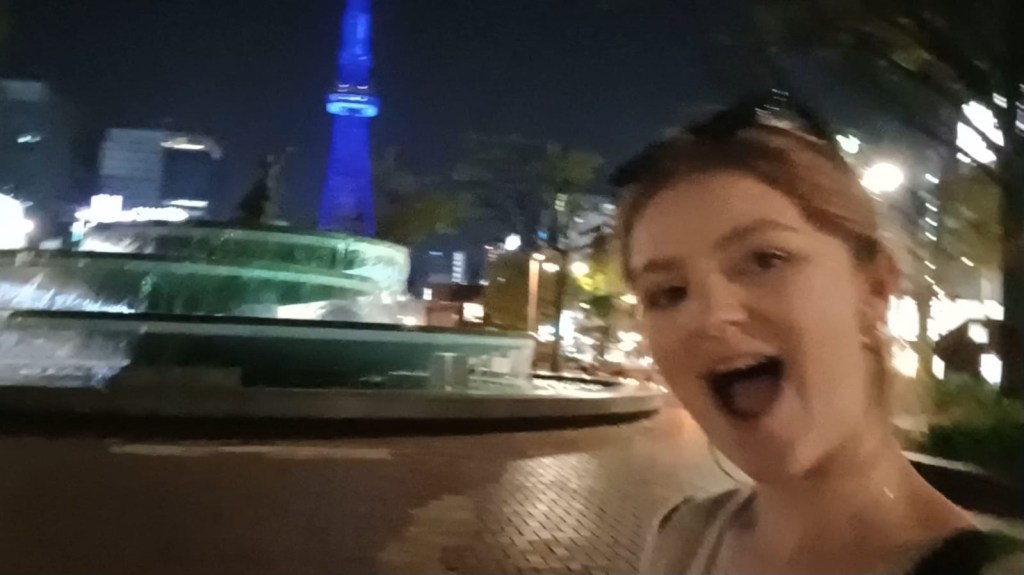
After leaving the park, we spent some time wandering the streets of Nagoya, soaking in the neon lights. It was spontaneous and a little random, but that’s part of the fun! Most of our trip had been packed with lots and lots of walking and early starts, so it’s no surprise that we ended the night by heading back to the hotel to pack and rest for the next early morning.

Nagoya and My Thoughts
It’s a little tricky to give a full review of Nagoya since we were only there for about 2-3 days, mainly as a detour for the Ghibli Park. From what I saw, it’s a large, modern city with plenty to offer, but I’m not sure I’d make a point of returning anytime soon. Like many big cities in Japan, it seems more like a commuter hub where people go to work and then head home, but that’s just from my short visit.
I’m sure there are hidden gems scattered around, but I can’t provide a full review due to the limited time we spent there. What I can say is that Nagoya Castle is a lovely spot to visit, and it’s a good place to stop for a night if you’re travelling between Osaka and Tokyo. Without comparing all the cities too directly, it’s essentially just another city. But don’t let my opinion put you off from exploring it!
As for the next part of our journey, we headed to… Tokyo, of course!
Thank you for reading my post—I hope you enjoyed.
Until my next blog of intrepid tales on my trails…!
 Intrepid Trails & Tales⛰️
Leave a comment