I’ve always wanted to visit Taiwan. Why? Honestly, I couldn’t even tell you. It’s just one of those places you hear about growing up — mysterious, distant, and somehow magnetic. Something about its history, politics, and culture always pulled me in.
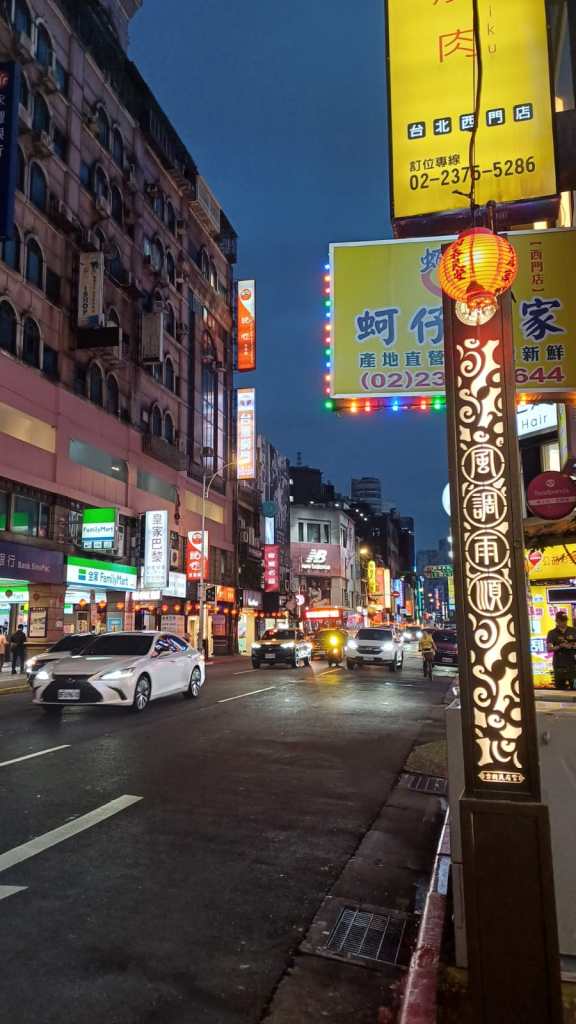
From the moment we landed, I was hooked. The city hits fast — a full sensory overload. The landscape is this wild collision of nature and steel: dense jungle wrapping around grey high-rises, like the earth and concrete are locked in a silent brawl. Taipei isn’t polished. It’s not sleek. It’s got grit and energy — humid air, chaos in the traffic, buildings that feel like they’ve grown from the ground up in every direction.
It’s cluttered, yeah. Overcrowded? At times. But that mess is part of the magic. The night markets buzz with noise and neon, while the temples sit stoic and smoke-filled, holding centuries of memory. Taipei doesn’t feel like a copy of somewhere else — it’s got its own pulse.
Food + First Impressions
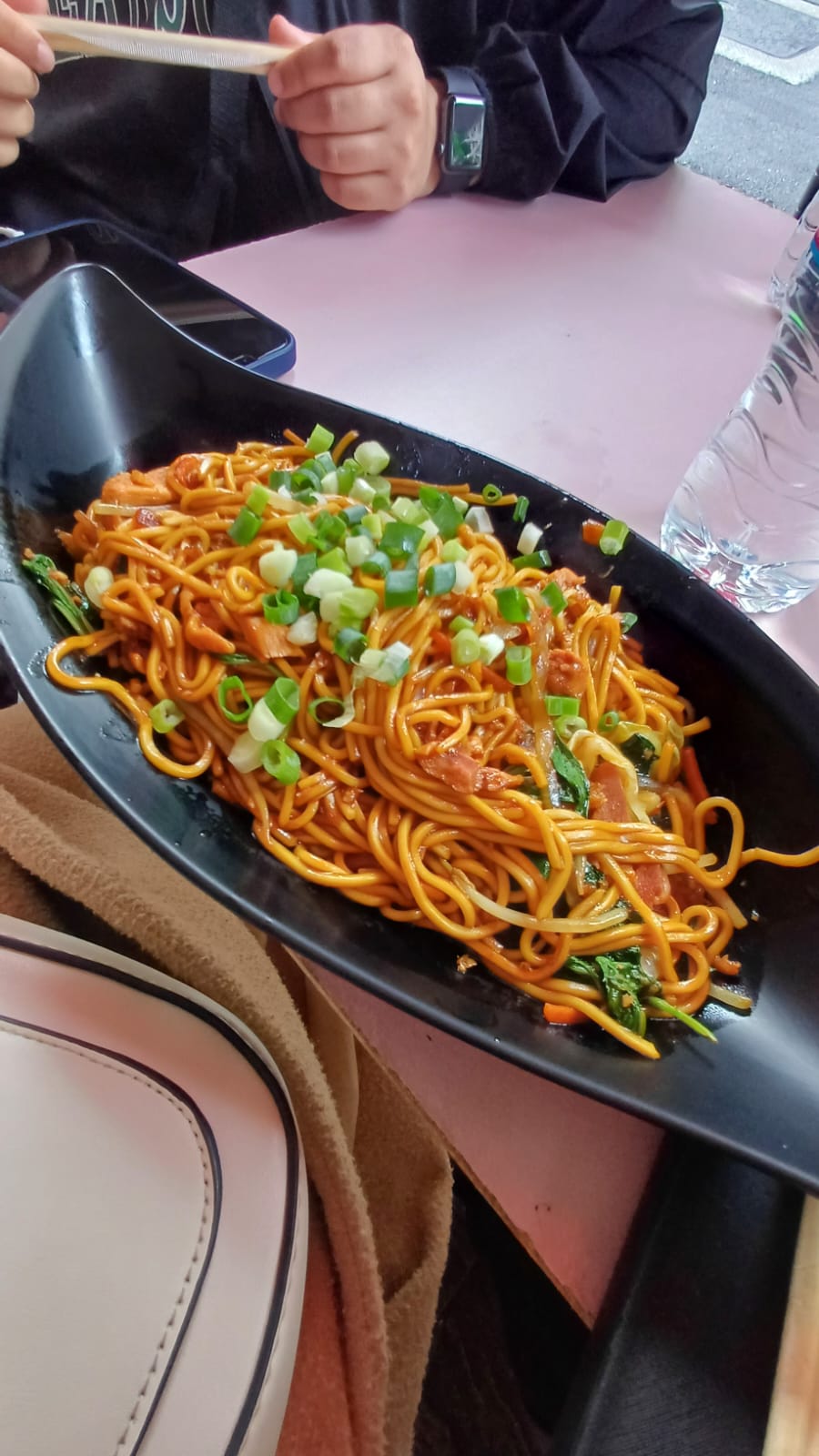
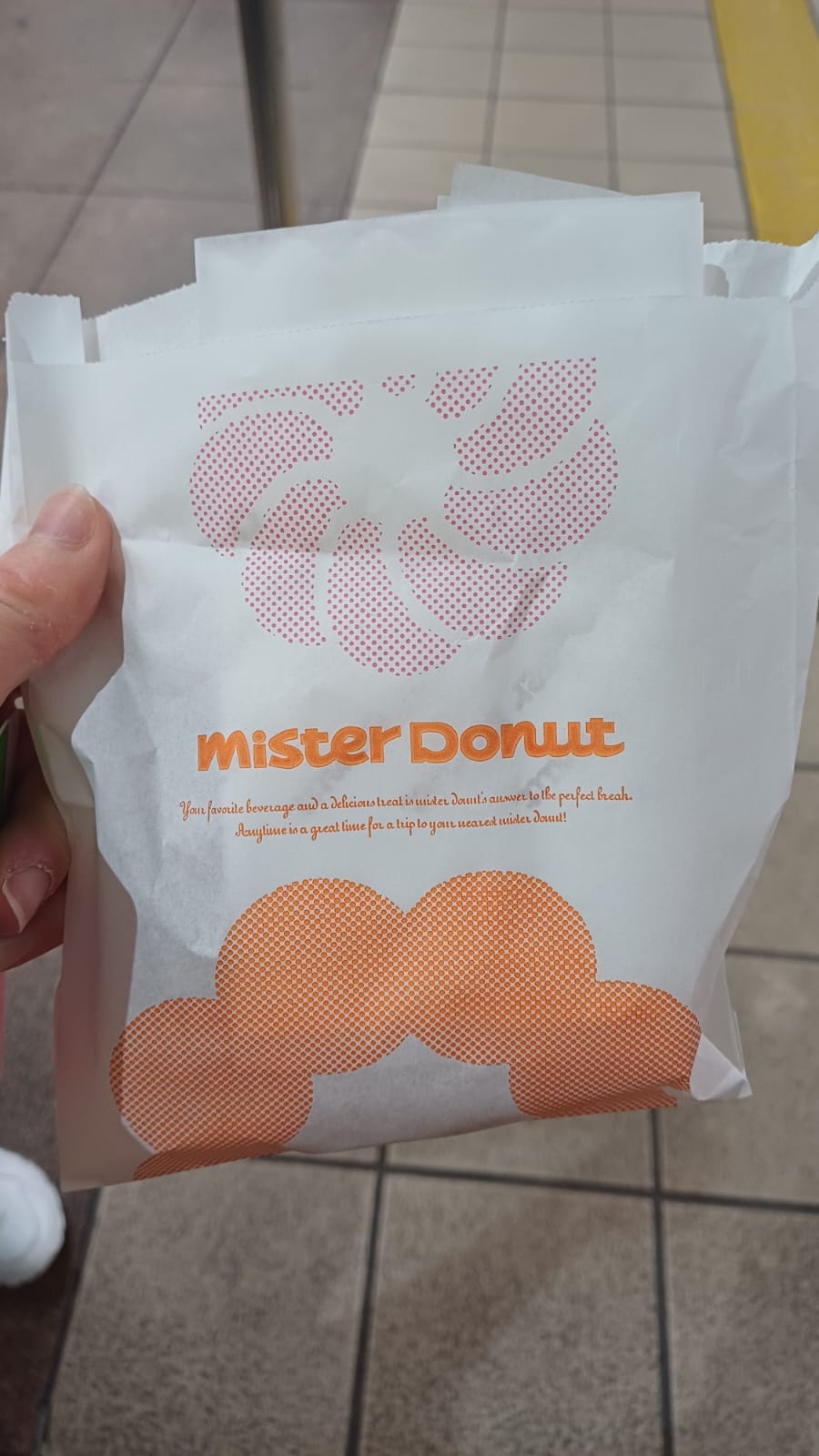
After dropping our bags at the hotel, we hit the streets to see what Taipei had to offer — and that started with food. First stop: a bowl of local sesame noodles, Ma Jiang Mian (麻醬麵). My memory’s foggy, but I remember the taste — nutty, savoury, with a bit of tang. Simple, comforting, and exactly what I needed to shake off the travel fatigue. I fully endorse multiple desserts a day, so we made a detour to try the infamous Mister Donuts. Not technically Taiwanese, but we were craving something sweet. I went for the Pon de Ring — the plain one, yeah, I know… boring. But I stand by my past choices. Soft, chewy, a little sweet — no regrets.
Lungshan Temple
We always make it a point to get a feel for the city on day one. So post-lunch, we headed to Lungshan Temple. Built in 1738 by settlers from Fujian, it’s a blend of Buddhist, Taoist, and folk traditions — smoke spirals from joss sticks, and prayers echo through the air.
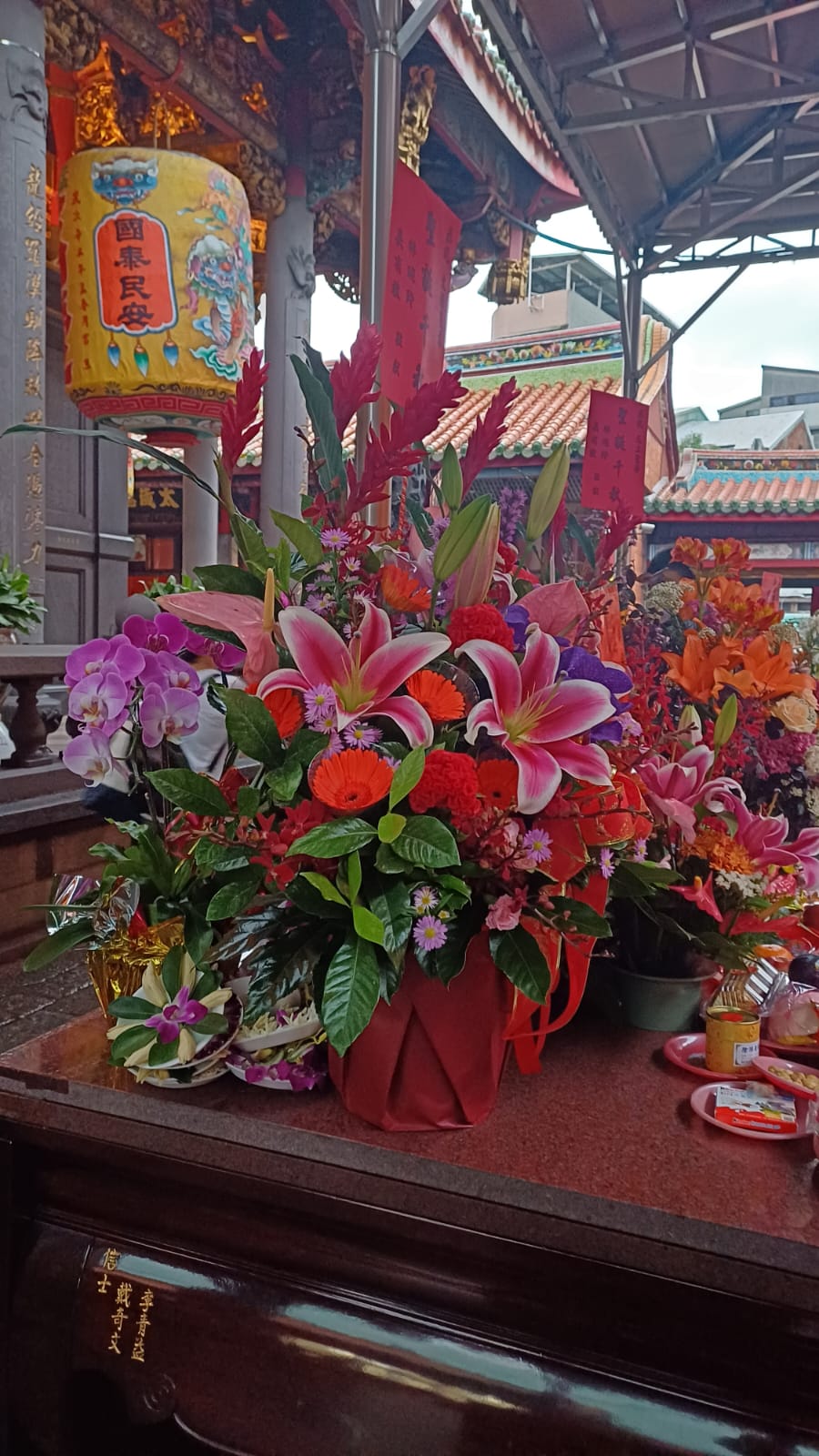
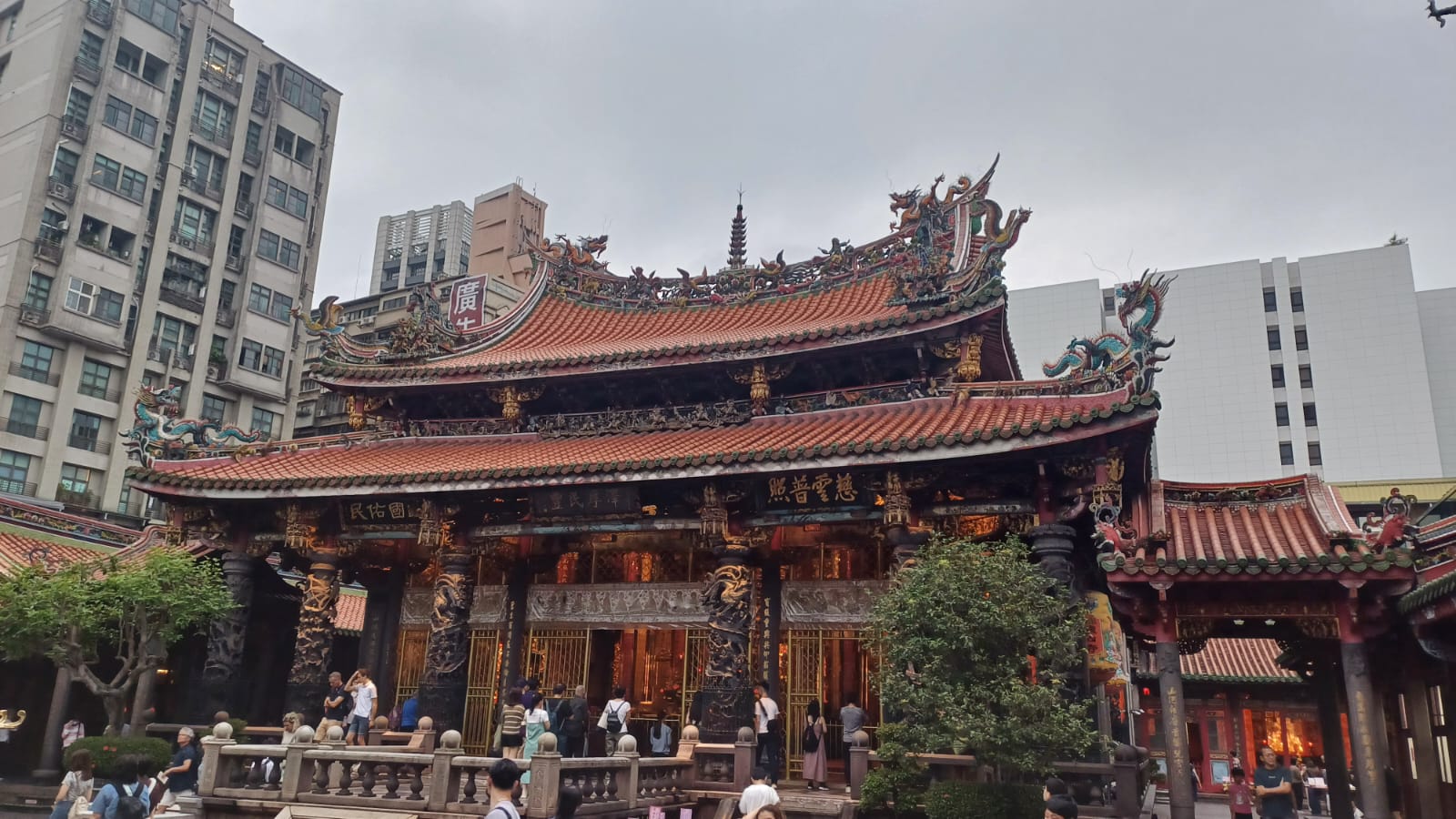
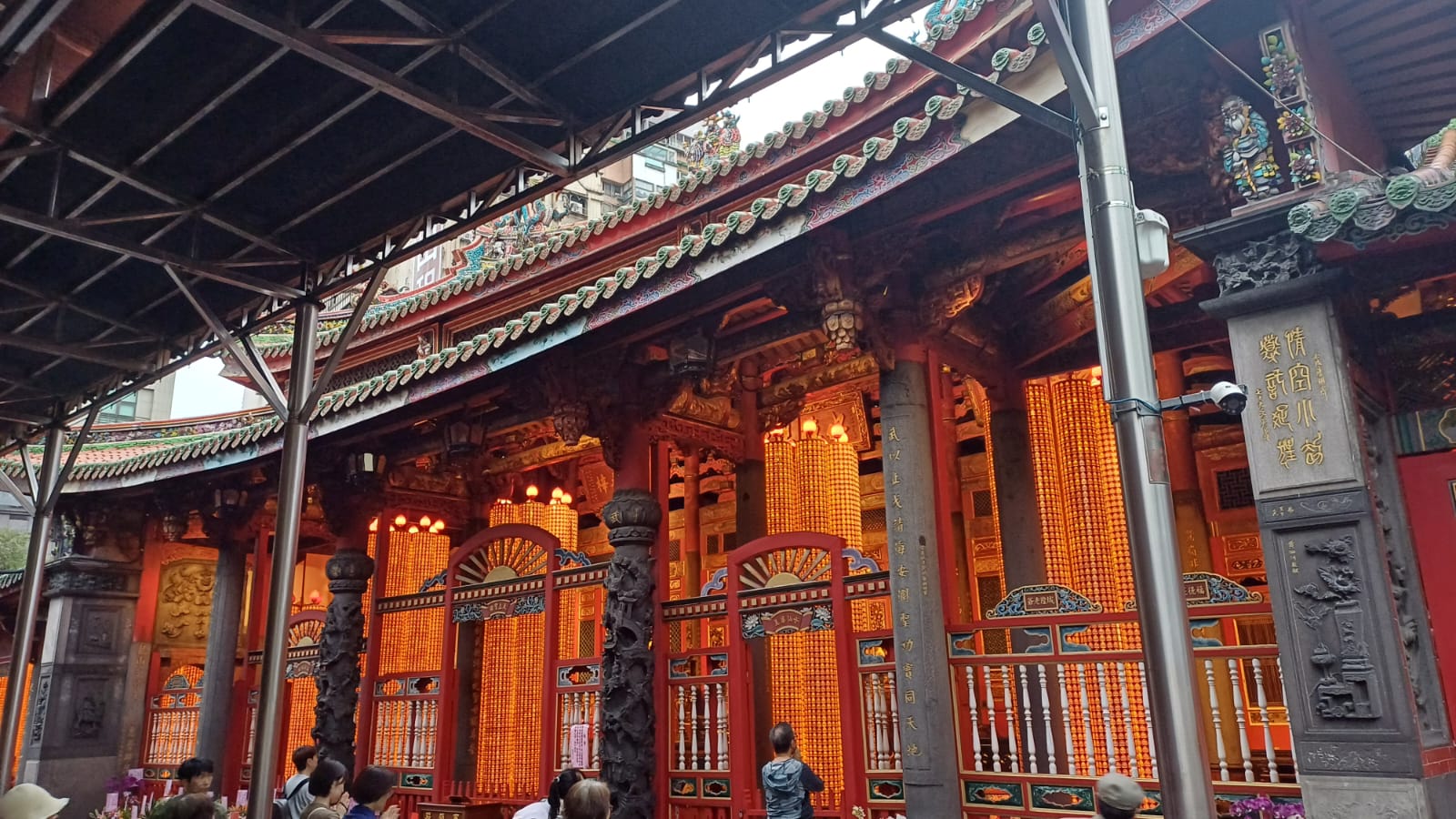
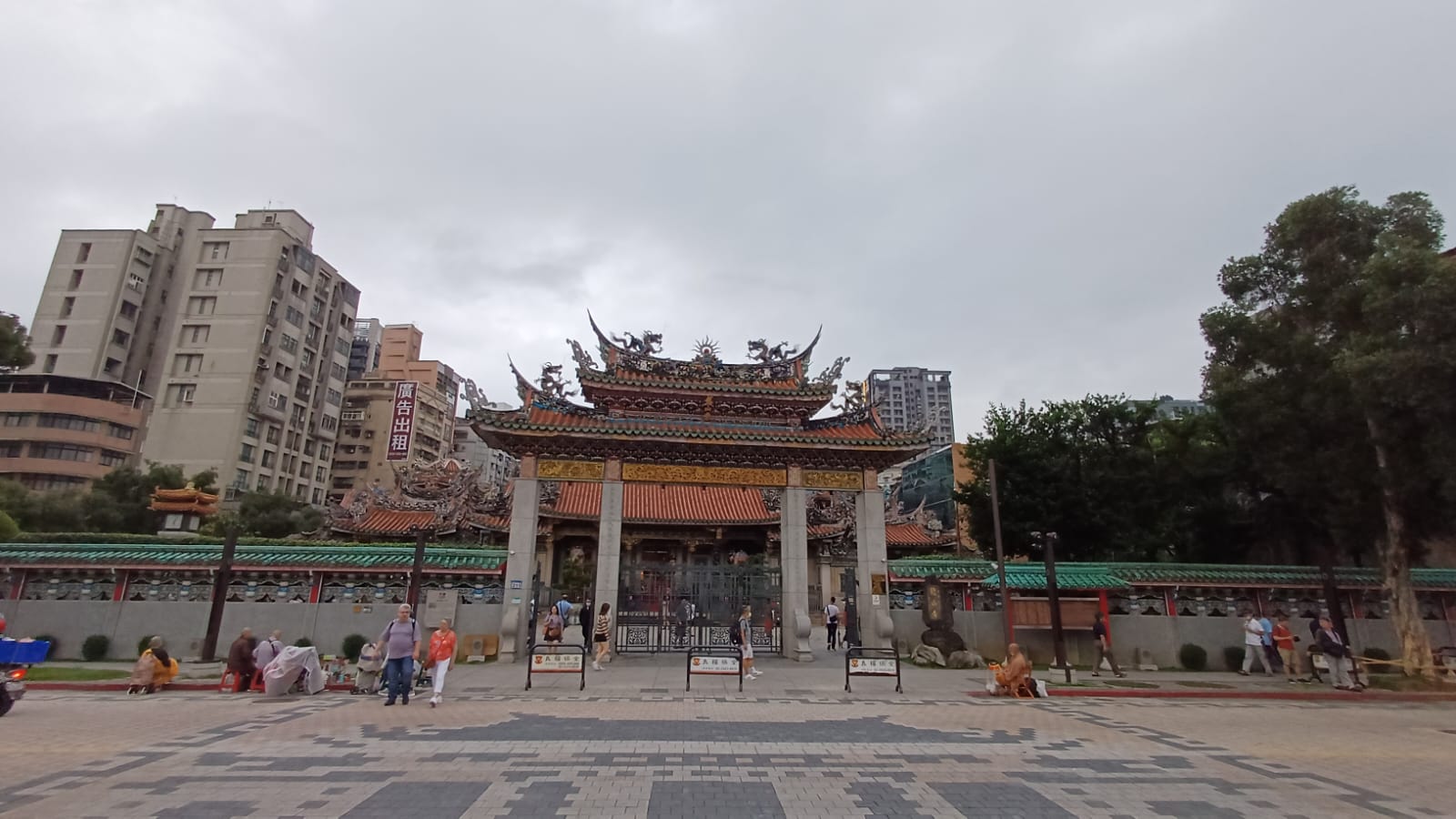
The detail here is next-level — vibrant carvings, dragons curled into beams, gold trim everywhere. The smell of incense, wax, and ash thick in the air — it hits hard and feels holy. There’s a powerful energy to the place.
That said, the crowds dull some of the magic. It’s no secret spot — tourists flock here, cameras out. While I definitely recommend going, if you’re craving stillness, quieter temples off the beaten path might serve better.
Since this was a while ago and I am clearly sporadic with my posts, I can tell you that looking through my phone gallery trying to recall the rest of the day was pretty much spent wondering around the night markets, window shopping and enjoying the ambience of the evening.
Later, we landed in Ximending, still in the Wanhua District. Here we tried Crispy Milk Donuts (脆鮮奶脆皮甜甜圈總店) — a cult favourite for good reason. It’s like a sugar-dusted churro collided with a custard cloud. Crispy outside, milky soft inside. But fair warning: there’s always a queue. Worth it? Hell yes.
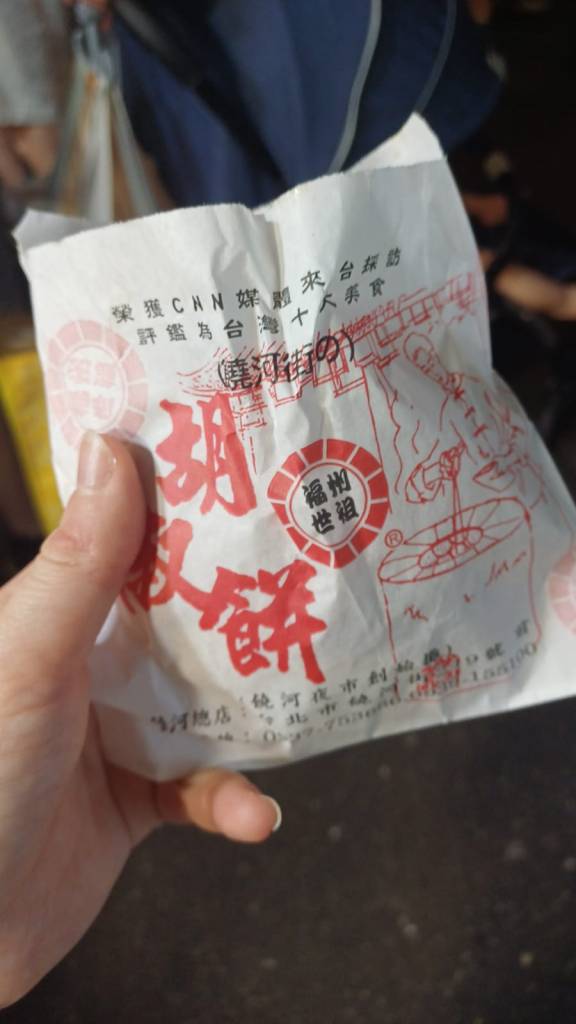
Much later, we then walked to Raohe Night Market located in the Songshan District. pure chaos in the best way. Lanterns swinging above food stalls, sizzling grills, and steam rising like smoke signals. It’s packed — tourists, locals, a flood of smells and sound.
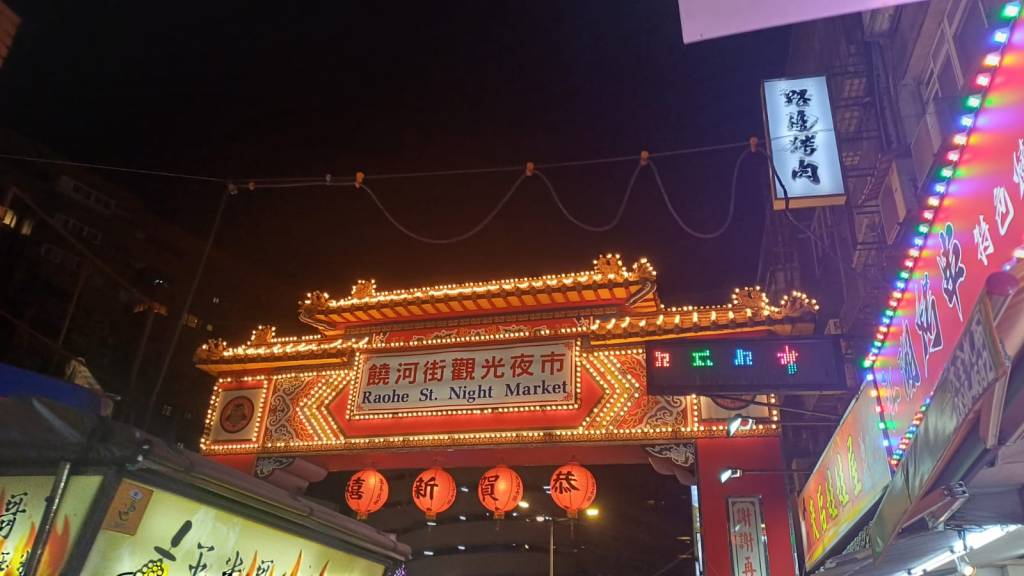
Theres an array of food to offer from black pepper buns, pan-fried dumplings, grilled mochi, and Tianbula (Taiwanese oden). I ventured out to the herbal pork rib soup, and despite the cramped stool and messy slurping, it was SO GOOD. Bitter, herbal, meaty — it’s a flavour bomb.
The market is (naturally) super busy and crowded with both tourists and locals surrounding you. But that’s part of the experience! Its best to go earlier to avoid the crowds, but I would say brave it and embrace them to fully experience a night market!
Boba and Taiwanese chicken
So I know that these two items of food/drink are well known in Taiwan. Now this may be an unpopular opinion… but I am not a huge fan of boba. So I suppose it would be unfair to give a review of it. BUT. my friends had tried the boba out there and they were obsessed with it. If their obsession was anything to go by, they were constantly sampling every flavour under the sun — but their favourite, hands down Chun Shui Tang. Known as the birthplace of bubble tea, this iconic spot is a must-visit for any boba lover. If you’re ever in Taiwan, do yourself a favour and stop by for a sip of history.
The next popular cuisines is of course, Taiwanese fried chicken. With it being a national treasure you can practically get it anywhere, especially in the city. Digging through my archives of images I unfortunately do not have any images of the chicken I specifically tried, but it was a honourable mention!
Day 2 in Jiufen and Shine Waterfalls
The next morning we jumped on a train out of Taipei and into the countryside. Watching the city fade behind us felt like entering another world — jungle swallowing concrete, tunnels opening to misty hills. It looked like something out of a film where nature was takes back its land, and looked incredible doing it! Untouched beauty is two words I’d describe as Taiwan.
Our first stop was Shifen waterfalls.
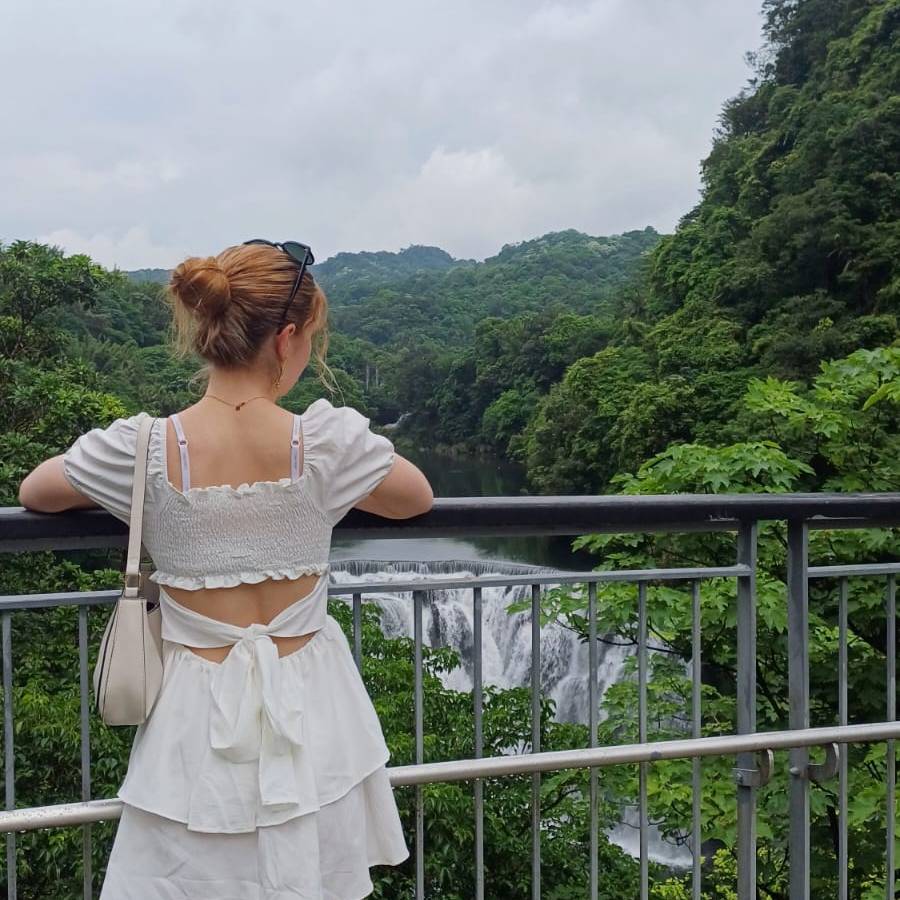
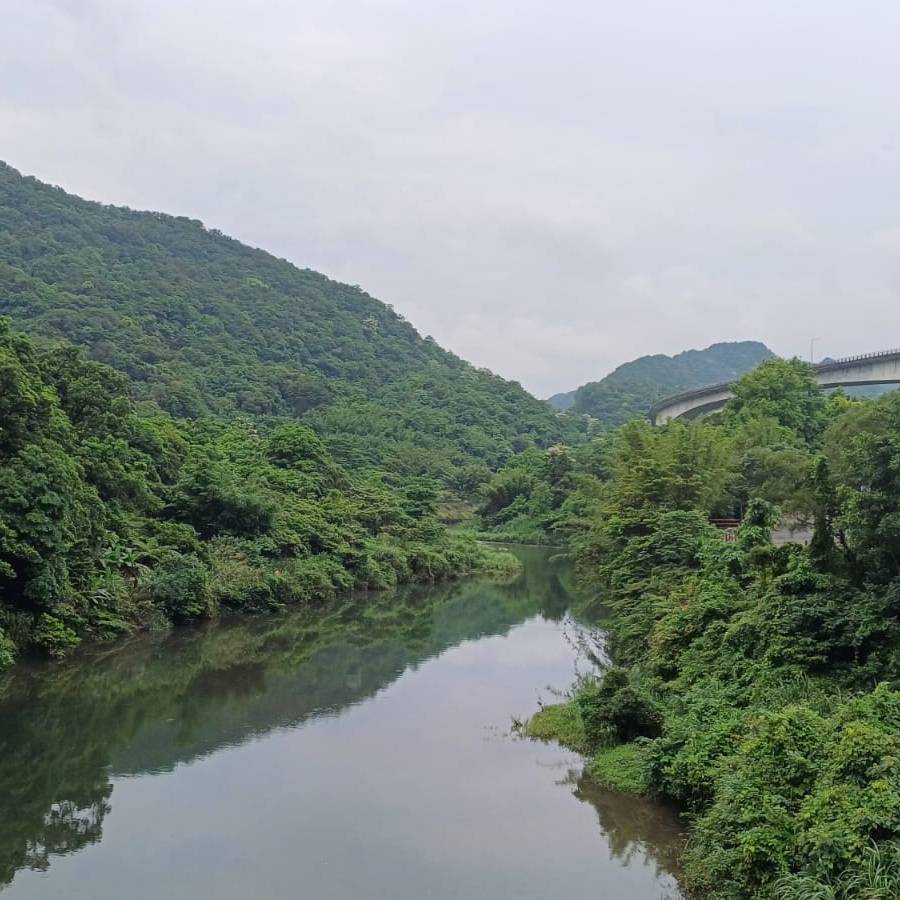
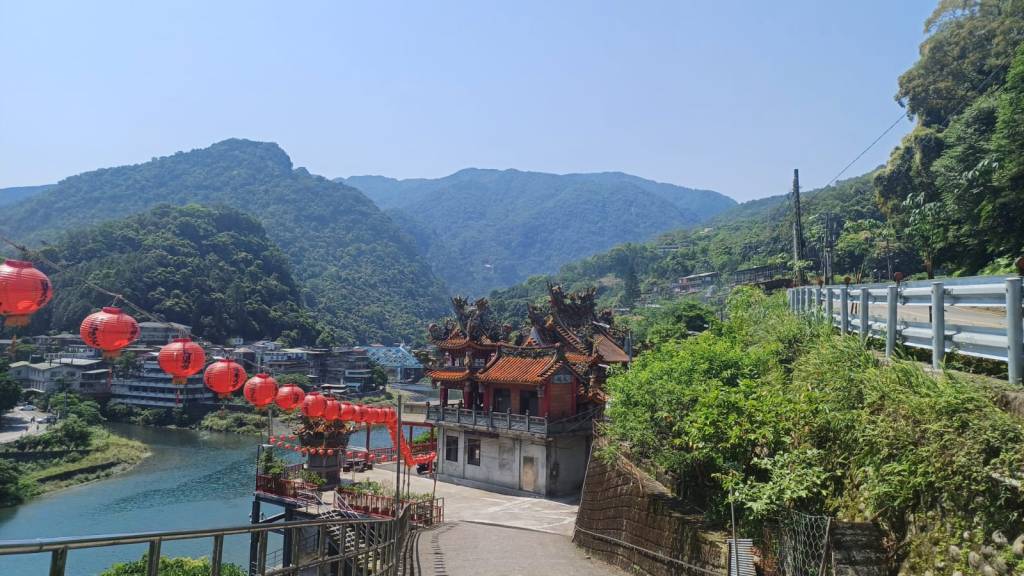
The train journey was about1 1/2 hoursand was pretty smooth sailing. Close to the waterfall was the Jing’an Suspension Bridge. The bridge was built in 1947 for transportation of coal between Shine and Nanshan, which was then later covered for pedestrian use. Spanning 128m over the Keelung river you can admire and enjoy a wonderful view.
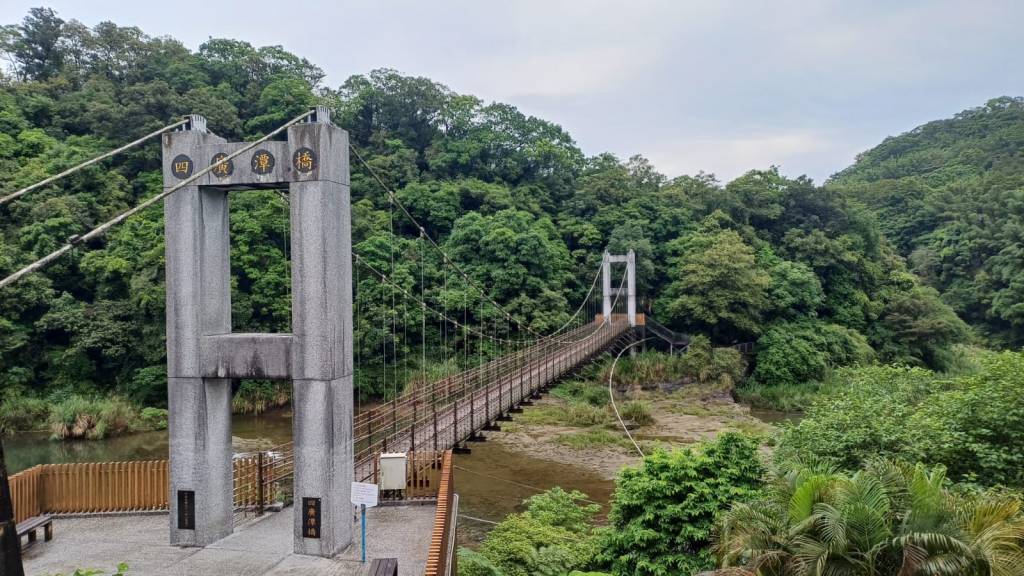
There is a slight/gentle sway to the bridge and as someone who fears heights, I can promise its not as bad as you may think!
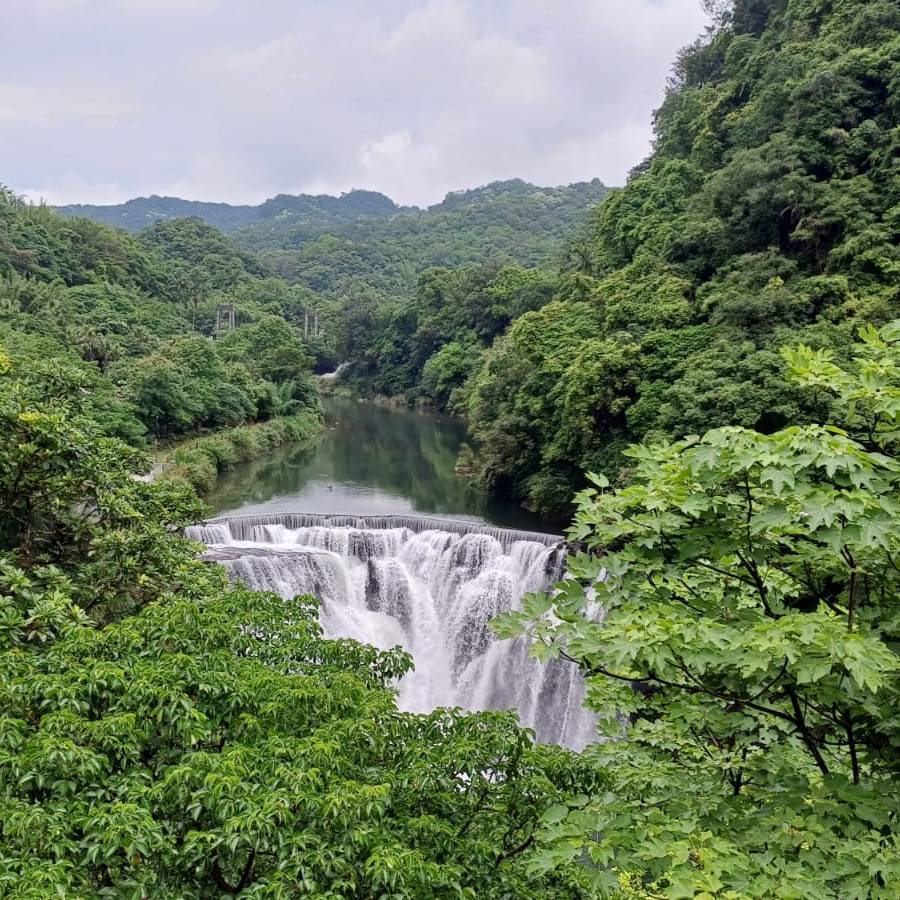
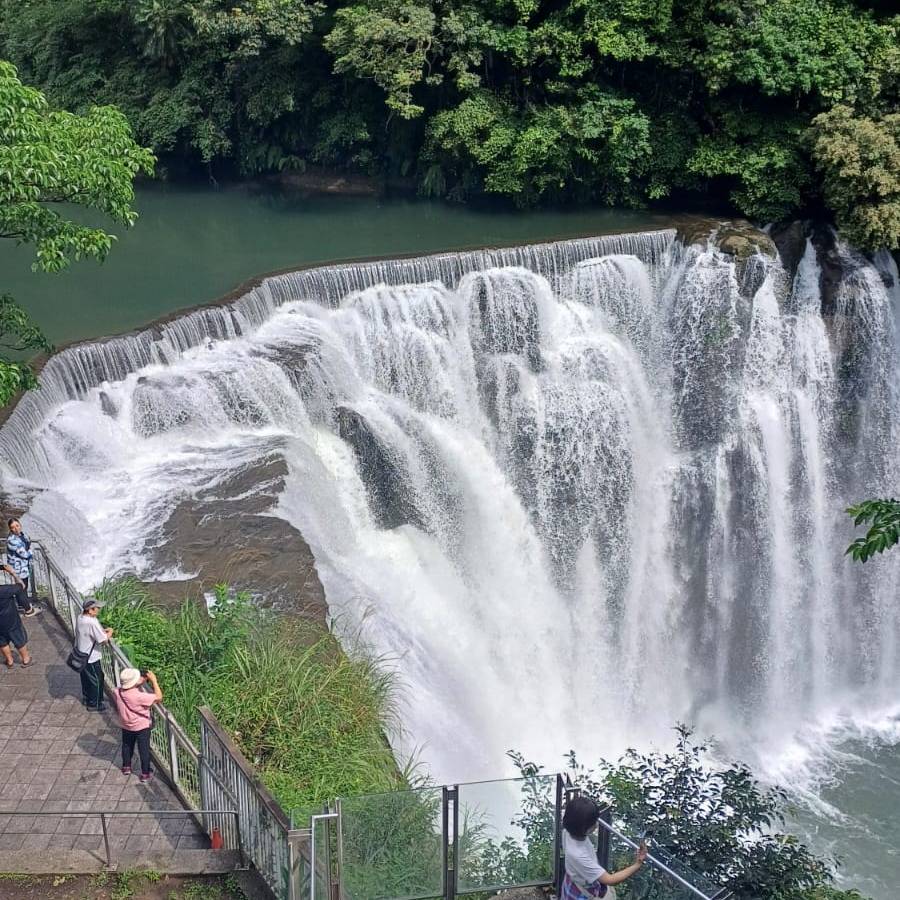
Past the bridge you’ll come across the waterfall – 20m tall and 40m wide. Known as Taiwans widest waterfall it earned the name Little Niagara of Taiwan. It has a panoramic view of water cascading down into an emerald pool with a photogenic view of the jungle surrounding it. Entry is free between 6am-9pm and was pretty quiet when we went (spring time). But also a great time to visit is between oct-nov for non touristy times. It is definitely worth seeing if you need an break from the city life and want to connect with nature. Or if you simply want a good instagram pic, then equally worth going!
Jiufen
From there, we made our way to Jiufen — a hillside town in Ruifang District overlooking the Pacific. The village had emerged into a town from when Taiwans gold mine had boomed in the late 1800s to early 1900s. With its windy Shuqi road and the oldest teahouse in Taiwan, you certainly wont be bored here. I was truly in awe of its beauty and the TikTok videos dont lie!
Walking through the small markets we found all sorts of souvenirs, food and cute knick-knacks. There is a wide variety of food to try from taro balls to herbal rice cakes and peanut ice cream wraps. The one thing I did try was the wrap. A classic Taiwanese cuisine, what are you thoughts you wonder?
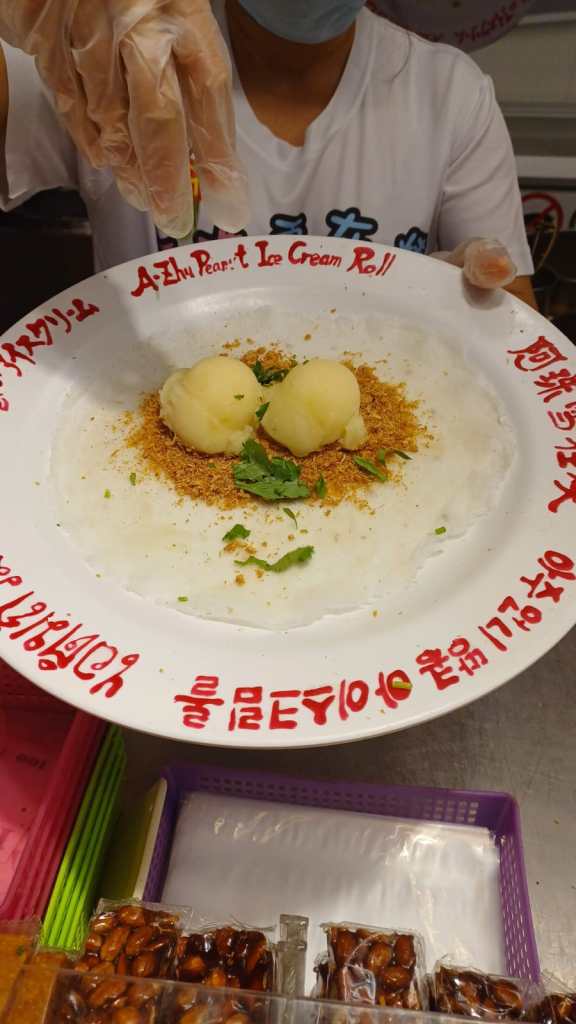
Well, even a year and a bit later, this is one dish that I do remember. It had a sweet soft texture (the ice cream) combined with the nutty and flaky flavour of peanut shavings, combined with a sharpish taste of cilantro. Tastes… weirdly good. Confusingly good. Would I eat it again? Maybe. Am I still thinking about it a year later? Definitely. BUT – I’m more impressed than confused by this combination and would love nothing more than the sit down with the creator and ask… why?
Walking through the markets, I tried many teas and bought a few trinkets for myself and family back home.One thing to note about Jiufen — it’s undeniably a tourist hotspot. Navigating through the packed alleyways and weaving past crowds can definitely take away from the charm. But after doing our best to dodge elbows and maintain some sort of order, we made our way to one of Taiwan’s most iconic and historic teahouses: A-Mei Teahouse. What started out as a blacksmiths store is now a classic teahouse which offers the traditional oolong tea. This can be given either inside or on the scenic rooftop terrace overlooking the misty hills.
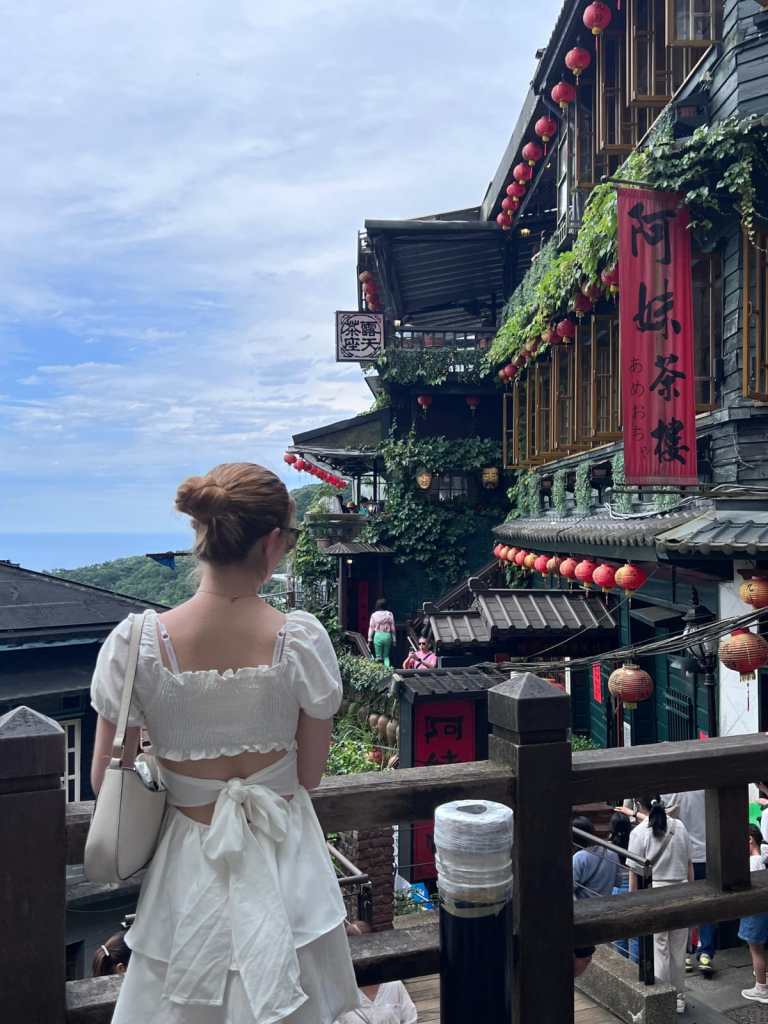

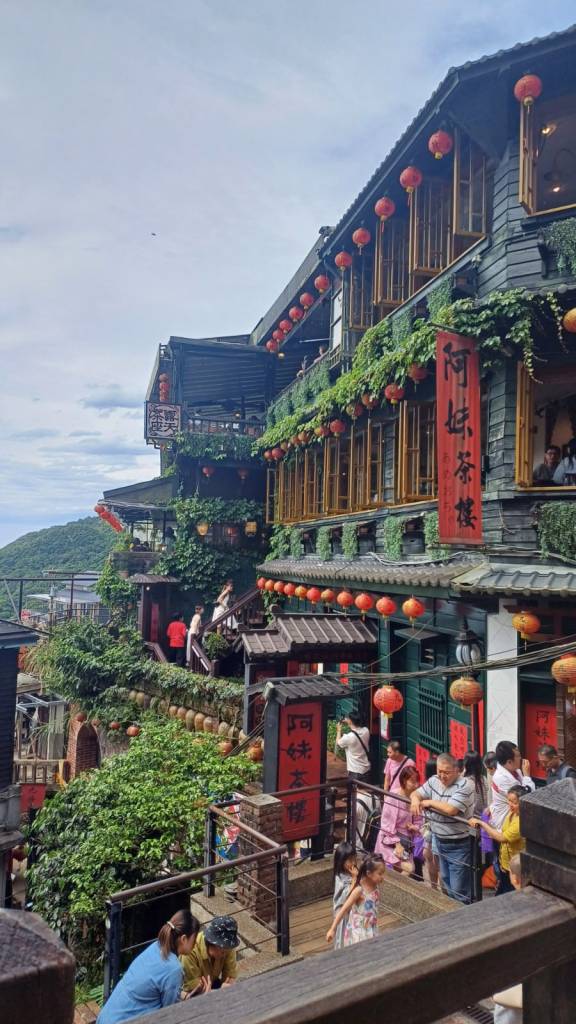

Be warned though — it’s popular for a reason, and it’s cash only, so plan accordingly. We were lucky enough to enjoy a peaceful tea session and learn more about the craft behind it, followed by a slow browse through the tea shop.
Some time later and a few photos after we slowly made our way back towards the bus stop to head back to Taipei.
Thoughts on Jiufen
Looking back on it, Jiufen was definitely a highlight for myself. The ambience, the history, and the layout of the town were beautiful. The architecture and design felt like something straight out of a Studio Ghibli film, and I genuinely loved every moment of being there. That said, navigating the small, windy roads — especially on weekends — can be a bit of a battle and does dampen the experience and overall vibe. My buddies and I all agreed that this was a downside to the visit: pushy tourists scrambling for the perfect photo and the cramped, chaotic quarters. Unfortunately, it’s just one of those realities of travelling in the age of social media.
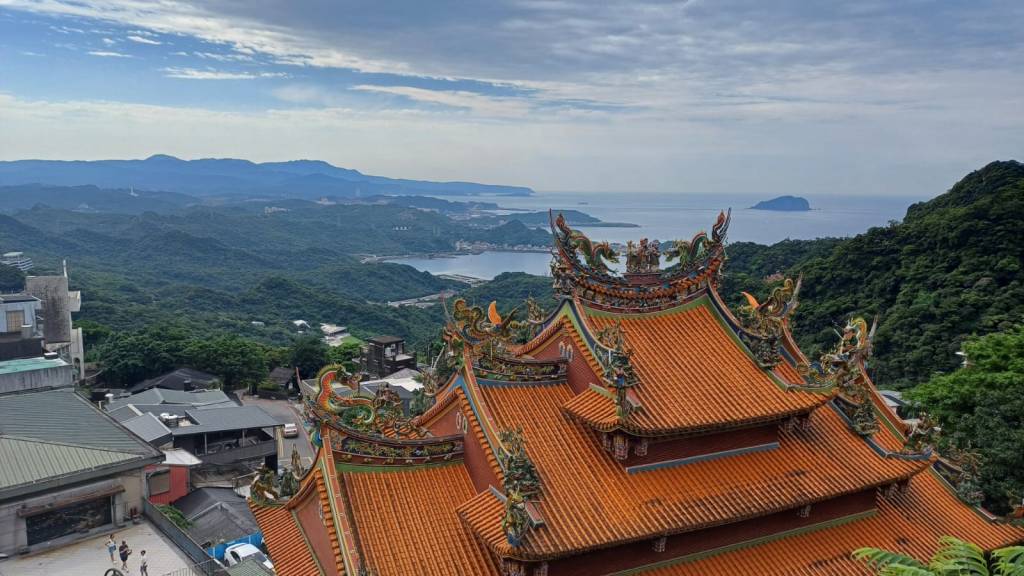
Although I admit it’s a great boost for the local economy, avoiding peak times might just make your experience that bit more special. With its authentic tea culture and narrow winding pathways, Jiufen is best enjoyed when it’s quieter. But if you’re a pro at handling crowds, then by all means — full steam ahead.
Leaving Jiufen, I felt like we’d seen a more cultural and intimate side of Taiwan — it was definitely more traditional compared to the buzz and business of Taipei. Heading back to the city, we started to prep for the next day. After just a day and a half, Taiwan had already secured its place as one of my favourite destinations so far. It felt both completely different and strangely familiar compared to the rest of Asia I’d seen.
Following from Taiwan
In the next blog I’ll continue my adventures and experiences in Taiwan following with our final destination of this trip (part 1)!
So as always, Thank you for reading my post—I hope you enjoyed.
Until my next blog of intrepid tales on my trails…!
 Intrepid Trails & Tales⛰️
Leave a comment